
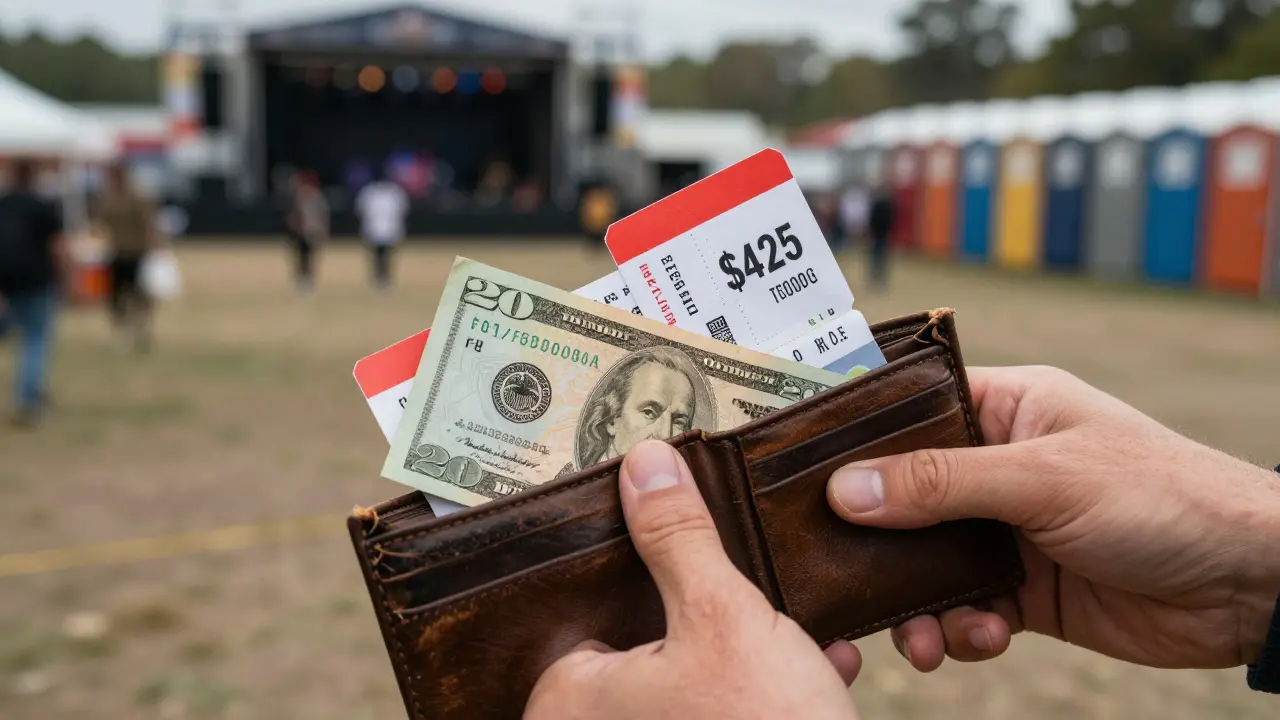
Let’s be honest-when you see the price tag on a weekend festival pass, your first thought isn’t "This is worth it." It’s "How am I going to afford this?" And you’re not alone. In 2026, the average three-day music festival ticket in the U.S. and Europe costs $425. In New Zealand, where I live, it’s not much better-$380 for a weekend pass to Rhythm & Vines or Spilt Milk. That’s not just a ticket. That’s a week’s groceries, a month’s bus pass, or half your rent if you’re on a tight budget.
Most people think they’re paying for the bands. But the headliners? They’re usually paid upfront by promoters. The real cost? Everything else. The stage lighting alone for a major festival can run over $1 million. Sound systems? Up to $500,000. Security? 200+ staff, 24/7 medical teams, porta-potties for 50,000 people, trash removal, permits, insurance, power generators, water tanks, fencing, and Wi-Fi towers. All of it adds up.
And don’t forget the hidden fees. Service charges, processing fees, delivery fees, parking passes, even “environmental sustainability fees.” These aren’t optional. They’re baked in. A $300 ticket can easily become $380 by the time you click "Confirm Purchase."
Festival prices didn’t jump overnight. They’ve been creeping up for over a decade. In 2015, Coachella was $390. In 2026, it’s $725. Why? Three reasons.
And then there’s the business model. Festivals aren’t just about music anymore. They’re lifestyle brands. You’re not just buying a concert-you’re buying an experience, a vibe, a social media moment. And that’s worth more to marketers than it is to you.
Artists? Not really. Top acts get paid $1-3 million per show. But they play 10-20 festivals a year. The rest? The opening acts? They get $5,000-or sometimes just free tickets and meals. The real winners? The promoters. Companies like Live Nation, AEG, and C3 Presents control 70% of the global festival market. They own the venues, the ticketing platforms, the merch, the food vendors, even the campsites. They make money whether you buy a $100 ticket or a $1,200 VIP pass.
And here’s the kicker: they don’t need to sell every ticket. Most festivals cap attendance at 80-85%. That means if you miss out on early bird tickets, you’re not just out of luck-you’re being priced out on purpose.
Yes. And they’re not just cheaper-they’re better for some people.
It’s not just about money. It’s about guilt. You take out a loan. You skip your rent payment. You cancel your gym membership. You tell yourself, "This is a once-in-a-lifetime experience." But is it? Festivals are happening every weekend. There’s one in Australia, one in Spain, one in Canada, one right down the road.
And when you get there? You spend 90% of your time waiting in line. The sound cuts out. Your phone dies. You can’t find your friends. You’re sweating in a field with 10,000 strangers. You spend $20 on a $3 beer. You leave with a sunburn, a sore back, and a credit card bill that takes six months to pay off.
Is that worth it? Maybe. But you should know what you’re really paying for.
If you still want to go, here’s how to do it without going broke:
It’s not broken. It’s working exactly as designed. Promoters want you to feel like you’re getting a rare, exclusive experience. They want you to believe that if you don’t buy now, you’ll miss out forever. But the truth? There’s always another festival. Another band. Another weekend.
The real question isn’t "Are festivals too expensive?" It’s "Am I paying for music-or for a marketing campaign?"
Music festivals were born from community, rebellion, and connection. Today, they’re run like luxury resorts. And if you’re not careful, you’ll pay the price-literally-for a version of music that doesn’t belong to you anymore.
Festival ticket prices have risen due to inflation, higher costs for equipment and labor, increased attendee expectations (like food trucks and charging stations), and corporate consolidation. Companies like Live Nation control most major festivals and set prices to maximize profit, not affordability. What you’re paying for isn’t just the music-it’s the entire infrastructure, security, permits, and branding.
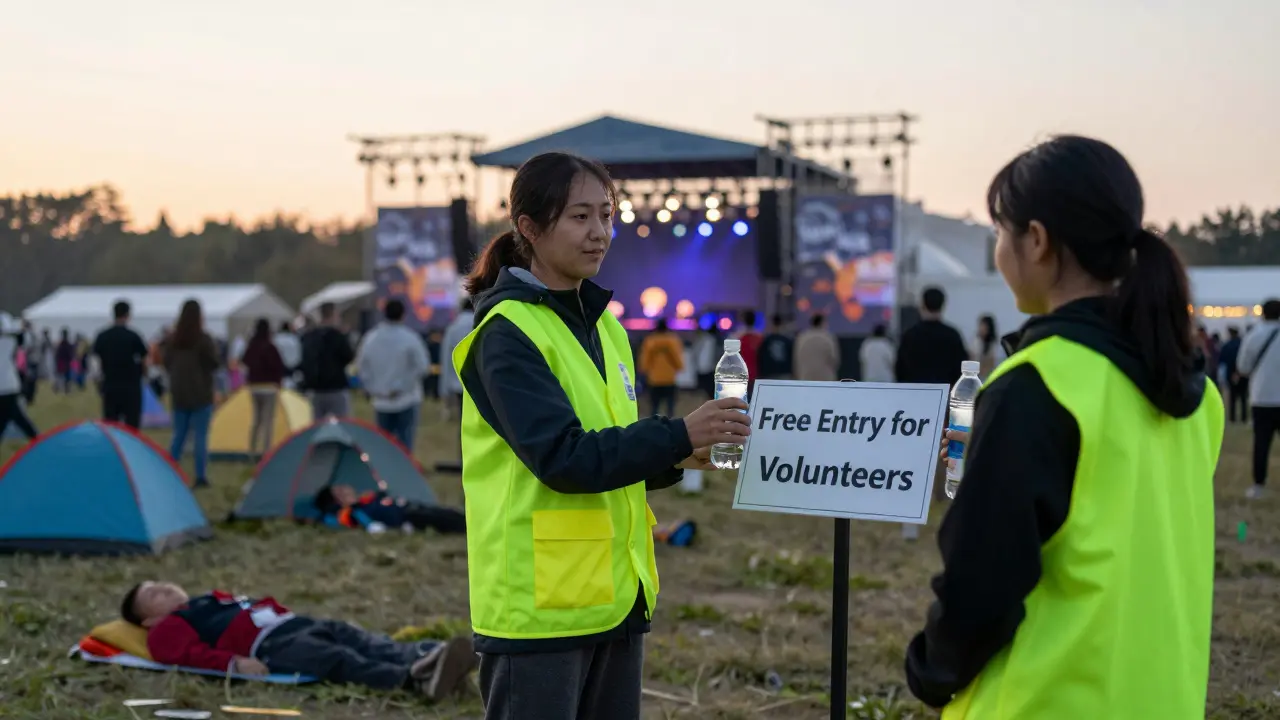
Yes. Many festivals offer free entry in exchange for volunteer work-usually 8 to 12 hours over the weekend. Roles include handing out water, helping with recycling, staffing info booths, or assisting with setup. You’ll still get full access to the stages and amenities. It’s a proven way to experience the festival without spending a cent.
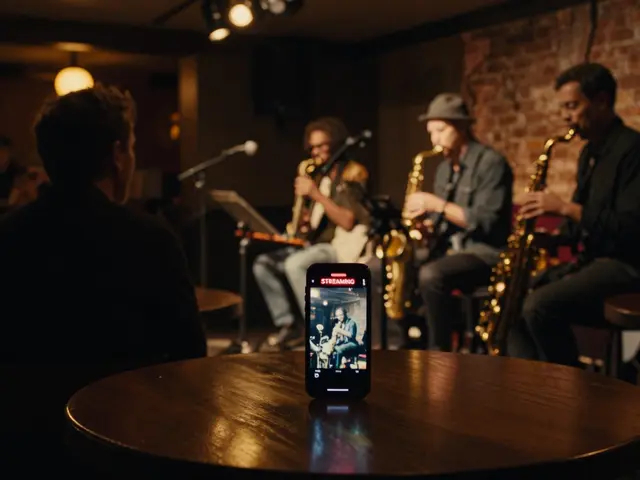
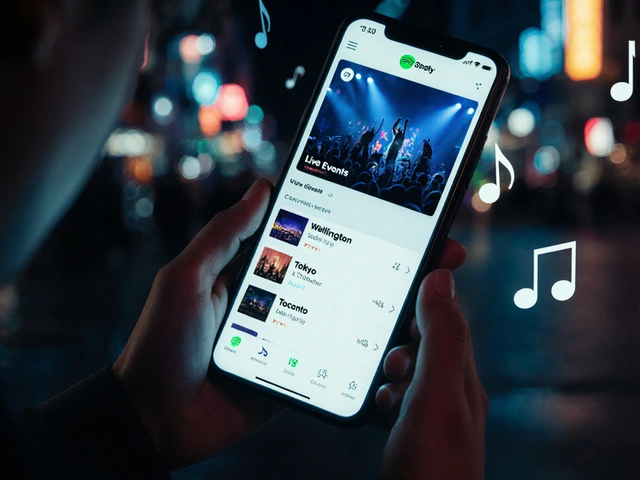
Absolutely. Local gigs, free community concerts, backyard listening parties with friends, and streaming live events at home can deliver the same emotional payoff for a fraction of the cost. In cities like Wellington, Portland, or Bristol, free outdoor music events are common in summer. You lose the crowds, but you gain authenticity, connection, and your bank account.
Top headliners do-they’re paid $1 million to $3 million per performance. But most artists on the lineup get paid $5,000 or less, and some only get free entry and meals. The money from tickets doesn’t trickle down. It goes to promoters, vendors, security, and logistics. The artists you love most are often the ones getting paid the least.
Only if you value comfort over experience. VIP tickets give you better viewing areas, private bathrooms, and sometimes free drinks or merch. But they cost 2-3x more. For most people, the difference isn’t worth it. You still stand in the same lines. You still hear the same sound cuts. You still pay $20 for a beer. Unless you’re celebrating a milestone or have a budget to burn, regular tickets give you the same music.
Alan Crierie
Just spent 3 hours trying to get a ticket for Glasto. Ended up buying a $50 local gig pass instead. Honestly? Better vibes, zero stress, and I still got to hear my favorite indie band. No need to bankrupt yourself for a "experience" that feels like a Walmart on Black Friday.
Nicholas Zeitler
Okay, let’s be real: the ticket price isn’t just for the music-it’s for the fact that someone had to rent 14 porta-potties, hire 200 security guards, pay for 300,000 gallons of water, and install a sound system that costs more than your car. And yes, I’ve done the math. It’s not greed-it’s logistics.
Also, service fees? Those aren’t the festival’s fault. Those are Ticketmaster’s. Blame the monopoly, not the art.
Teja kumar Baliga
Bro, I did volunteer at a festival in Mumbai last year-8 hours, free entry, met 3 bands, got free chai, and slept under the stars. No credit card debt. Just pure joy. If you’re willing to work a little, the magic is still there. Don’t let corporate pricing steal your joy.
k arnold
Wow. A whole essay on how expensive festivals are. Did you also write a 2000-word op-ed about how air is overpriced? Maybe next you’ll rant about how water is a capitalist scam.
Kenny Stockman
I get it. The prices are wild. But I still go-just not every year. I pick one festival that means something to me. Last year it was Bonnaroo. This year? Nah. I saved up, went to a free outdoor show in Portland, and watched a sunset with 500 strangers who all knew the same lyrics. Felt just as alive.
It’s not about how much you spend. It’s about what you’re really there for.
Jeff Napier
They’re not pricing you out they’re engineering scarcity. The whole thing is a cult. You think you’re choosing music-you’re being programmed. The promoters don’t care if you like the music. They care if you post it. Your FOMO is their profit margin. Wake up.
Sibusiso Ernest Masilela
Of course it’s expensive. You think you’re entitled to live music like it’s a public utility? Back in my day, we walked 15 miles uphill in the snow to hear a guy with an acoustic and a broken amp. Now you want organic kombucha and a charging station? Cry me a river.
Daniel Kennedy
Volunteer programs are the real MVP. I worked at Lollapalooza for 10 hours-handed out water, helped with recycling, got front-row access to Billie Eilish. Zero cost. Zero guilt. Just pure gratitude. If you’re broke, this isn’t a hack-it’s a gift.
Also, bring your own snacks. A $15 grocery run = $150 saved. It’s not rocket science.
Taylor Hayes
I used to think festivals were the pinnacle. Now I realize they’re just one way to experience music. I’ve found so much more joy in small venues, house shows, and even just listening with friends while cooking dinner. The connection matters more than the scale.
Don’t let marketing make you feel like you’re missing out. You’re not.
Sanjay Mittal
My cousin works for a promoter. He said 60% of ticket revenue goes to logistics. Artists get 5%. The rest? Insurance, permits, power, cleanup. It’s not profit-it’s survival. If you want cheap tickets, stop expecting 10,000 porta-potties and 24/7 medical teams.
Mike Zhong
Are we paying for music-or for the illusion of belonging? The festival is a temple of consumerism disguised as rebellion. The real revolution isn’t in the mosh pit-it’s in refusing to buy the myth.
Jamie Roman
I’ll be real-I went to a festival last year and spent 70% of my time waiting in line for a $12 burrito that tasted like cardboard. My phone died. I lost my friends. I got sunburned. I came home with a $500 bill and zero memories. So this year? I made a playlist, invited 15 friends, rented a projector, and watched the livestream in my backyard with a cooler of cheap beer and a bonfire. We danced. We sang. We didn’t pay a cent. And honestly? It felt more real.
Maybe the future of music isn’t in the field. Maybe it’s in the living room.
Salomi Cummingham
Oh my god. I cried reading this. I spent my entire savings on a festival last year. I thought it would be magic. Instead, I stood in a sea of people, crying because I couldn’t see the stage, my shoes fell apart, and I spent $40 on a single bottle of water. I didn’t even get to talk to anyone. I just stood there, sweating, wondering if I’d lost my mind.
Now I go to free community shows. I dance in the rain. I hug strangers. I feel the music. I don’t need a VIP pass to feel alive.
Johnathan Rhyne
So you’re telling me we’re being sold a dream wrapped in a $425 ticket? Classic. The real crime? They’re not even pretending anymore. It’s not a concert-it’s a branded Instagram backdrop. Next year they’ll charge extra for the right to breathe the same air as the headliner. I’m not mad. I’m just… impressed.