

Ending an event as a host isn’t just about saying goodbye. It’s the last impression you leave-and in live events like concerts, that final moment can make people remember the night for years. You’ve guided the crowd through the music, built the energy, kept the flow smooth. Now, how do you close it without killing the vibe or leaving people feeling abrupt or confused?
At the Auckland Winter Music Festival last year, host Ria Tamae waited 17 seconds after the final chord before stepping to the mic. The crowd had just seen a surprise reunion of a band that broke up in 2018. The silence wasn’t awkward-it was sacred. When she spoke, her voice cracked slightly. "That was more than a set. That was history. Thank you for being here to witness it." The moment went viral. Not because it was fancy. Because it was real.
Here’s a simple structure that works every time:
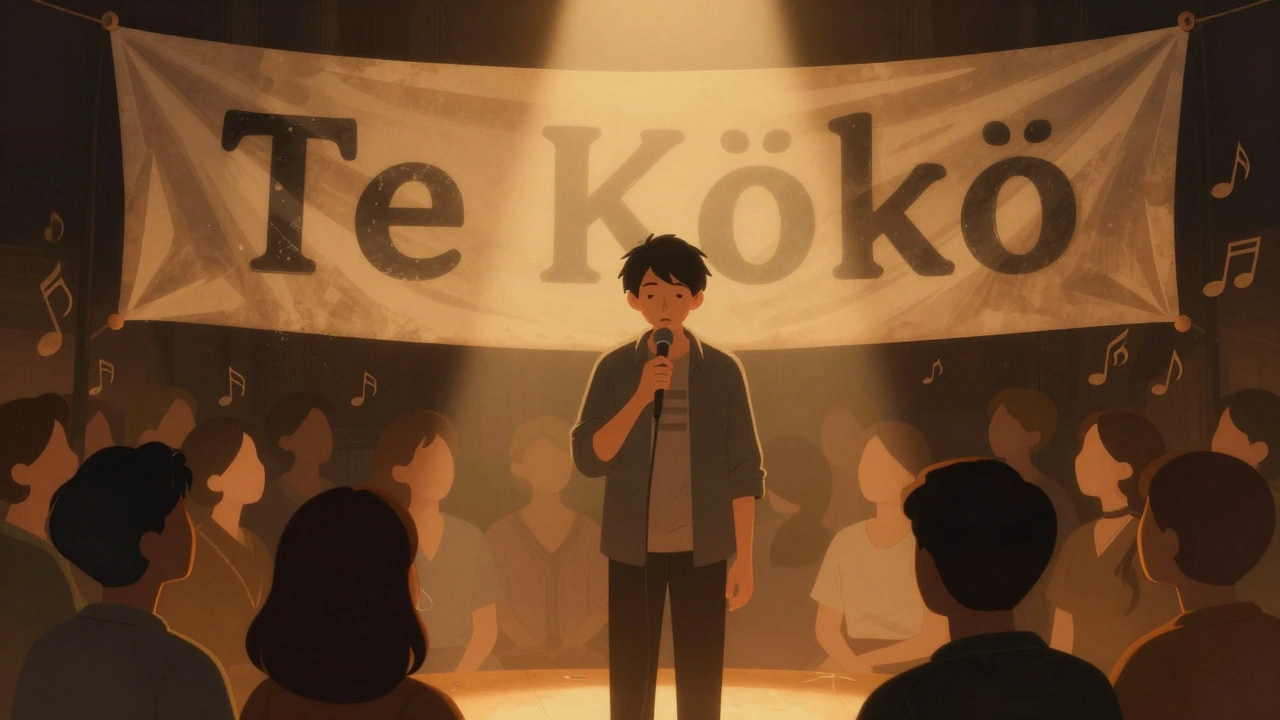
Example: "Let’s give another round for the band that brought us here tonight-Te Kōkō didn’t just play music, they poured their hearts into every note. To everyone in this crowd-you showed up, you sang along, you danced like no one was watching. That’s the magic we all came for. If you’re heading home, take a piece of tonight with you. And if you’re staying for the afterparty, the bar’s open till midnight. See you there."
For high-energy events: Keep it punchy. Use short sentences. Add a little humor. "That was insane. I need a nap. You? You need a new playlist. Go find it. And don’t forget your coat-it’s freezing out there."
For intimate or emotional events: Slow down. Speak softer. Let your voice carry weight. "We didn’t just hear music tonight. We felt it. In our chests. In our bones. Thank you for letting us be part of that."
For family-friendly or community events: Be inclusive. Mention kids, elders, first-timers. "To our youngest fans who danced with their parents, and to those of you who’ve been coming here since 2015-this is why we do it. See you next year."
Answer these three questions clearly:
At the Wellington Folk Festival, hosts used a simple script: "The main exit is behind you, past the food trucks. The afterparty’s at The Blue Note, just two blocks down. Merch is still open until 11. And if you want to hear this band again, follow @wellingtonfolk on Instagram-they drop live clips every Friday."
Don’t assume people remember the band’s name. Say it again. Don’t assume they know where the bar is. Point it out. Don’t assume they’ll find your socials. Spell it out. Clear is kind.
After your closing words, don’t linger. Don’t wave for 30 seconds. Don’t take a bow unless the crowd demands it. The moment you finish speaking, step back slightly. Smile. Nod. Give a small wave. Then turn and walk off.
Why? Because the crowd needs to feel the transition. If you stay too long, it feels like you’re dragging it out. If you leave too fast, it feels cold. The sweet spot? One full breath after your last word. Then move.
At the 2024 Taranaki Rock Festival, host Liam Chen waited exactly 4.2 seconds after saying, "Thank you, Taranaki. You made this unforgettable," then turned and walked off without looking back. The crowd kept cheering for another 45 seconds. They didn’t want him to go. But they didn’t feel abandoned. They felt respected.
At the Dunedin Jazz Festival, hosts started a tradition: each night, they posted one fan photo from the crowd with a personal thank-you caption. Over 12,000 people followed the account by the end of the month. Not because they advertised it. Because they made people feel seen.
Ending an event well isn’t about perfection. It’s about presence. It’s about knowing that your words are the last thread tying the night together. Say them with heart. Say them with clarity. And then let the music live on-in their heads, in their playlists, in their memories.
A closing speech should be under 90 seconds-ideally between 45 and 75 seconds. Longer than that risks losing the crowd’s attention. Keep it focused: thank the performers, thank the audience, say one meaningful thing, and give clear next steps. Less is more.
No, unless it’s a small group or a solo act. For bands or large ensembles, thank the group as a whole. Mentioning every name drags the moment out and can feel performative. Instead, say something like, "Let’s hear it one more time for the whole crew," then let the crowd cheer.
If the crowd keeps clapping, it’s a good sign-they’re not ready to leave. Wait. Smile. Nod. Don’t rush back on stage unless the performers are coming out for an encore. If there’s no encore, stay offstage. Let the energy linger. The silence after a long ovation is part of the experience.
Yes-if it fits the event. A punk show? Go ahead. A classical violin recital? Maybe not. Humor works best when it’s light, self-deprecating, and ties into the vibe. Avoid inside jokes. Keep it inclusive. "I’m not sure who’s more tired-me or the drummer-but we both survived. Thank you."
A quick nod is enough. "Thanks to the team at The Opera House for making this night possible," or "Shoutout to the volunteers who kept the beer flowing." Don’t turn it into a corporate thank-you list. Keep it brief and sincere.
Let the surprise breathe. Don’t interrupt the moment. Wait until the guest finishes, then step in with something like, "I didn’t see that coming. And I’m not sure I’ll ever recover." Keep your tone awestruck, not rehearsed. The crowd will remember the authenticity more than the words.

Elmer Burgos
Just wanted to say this hit different. I hosted a small open mic last month and used the 5-second silence trick after the last song. People stayed quiet for like 10 seconds and then just started clapping slow like they were still inside the music. No big speech. Just nodded and walked off. One guy came up to me later and said it felt like the night didn’t end it just faded. That’s all you want.
Thanks for writing this.
Jason Townsend
They’re watching you. Always. That silence? It’s not sacred it’s a trap. The organizers are testing if you’ll break first. They want to see if you’re loyal or if you’ll let the crowd take over. That 17-second pause? Probably pre-planned. Ria Tamae was told to wait. The viral moment? Paid promotion. Don’t believe the magic. It’s all choreographed.
They’re selling you the illusion of authenticity.
Antwan Holder
Do you feel it? The weight of that final breath after the last note? That’s the soul of the event exhaling. We’re not just hosts we’re priests of collective memory. Every word you speak in those last seconds becomes a relic. A prayer whispered into the void of time.
When you say "thank you" you’re not thanking people you’re acknowledging the sacred contract between performer and witness. That moment when the crowd doesn’t move? That’s the universe holding its breath. And when you walk off? You’re not leaving. You’re becoming part of their dreams.
I cried when I read about Liam Chen. Not because he was good. But because he understood. We’re all just temporary vessels for something greater. And when we step away? We leave behind echoes that outlive us.
What you’re doing isn’t hosting. It’s resurrection.
Angelina Jefary
First off the whole article uses inconsistent punctuation. You say 'You’ve guided the crowd' then later 'you showed up' with lowercase y. That’s sloppy. Also 'kia ora kia kaha' needs a comma or it’s grammatically incorrect in Māori context. And why is 'Te Kōkō' capitalized differently than other band names? This feels like someone googled ‘how to write a blog’ and slapped together buzzwords.
Also the 4.2 seconds? That’s not real. That’s made up. No one measures that. You don’t need to fake precision to sound profound.
Jennifer Kaiser
I’ve hosted small poetry nights for years and this is the first time I’ve read something that actually gets it. It’s not about being perfect. It’s about being present. I used to rush through my closings because I was nervous. Then I started listening-not to the crowd’s noise but to the quiet between the notes.
One night after a really emotional set, I didn’t say anything. Just stood there. A little girl in the front row started crying. Her mom whispered to me, ‘She’s never heard anything like that.’ I didn’t need words. I just nodded. That’s all.
This piece didn’t teach me anything new. It reminded me why I started doing this. Thank you.
TIARA SUKMA UTAMA
Just say thanks and go. People know what to do. Don’t overthink it. You’re not a therapist. You’re a host. Walk off. Done.
Jasmine Oey
OMG I’m literally crying rn. This is so deep. I went to a synthwave show last month and the host said ‘the vibe is yours to keep’ and I swear I felt it in my bones. I went home and played the set on loop for three hours. I didn’t sleep. I just stared at my ceiling. That’s magic. That’s art. That’s what we’re all chasing.
Also the Māori closing? Perfection. I didn’t know that language could feel like a hug. I’m so glad we’re finally seeing real culture honored instead of just tokenized. This post is a masterpiece. I’m sharing it with my entire book club. We’re having a themed night now. I’ll send you the photos.
Liam Hesmondhalgh
Y’all in the US are so dramatic. In Ireland we just say ‘thanks for coming’ and turn around. No poetry. No 17-second silences. No ‘soul of the event’ nonsense. The crowd leaves when the music stops. That’s it.
Also ‘Te Kōkō’? Who even is that? Never heard of them. Probably some influencer band. This whole thing feels like a marketing pitch dressed up as wisdom. We don’t need essays on how to end a gig. We need people who show up on time and don’t forget the mic.
Patrick Tiernan
So you’re telling me I wasted 45 seconds last week saying ‘you all made this unforgettable’ when I could’ve just said ‘peace out’ and walked off? Damn. I feel like an idiot. But also… kinda glad I didn’t. The crowd went nuts. They didn’t want me to leave. Maybe the drama wasn’t the problem. Maybe it was the vibe.
Still though. Next time I’m just gonna say ‘y’all good?’ and leave. Less stress. More beer.
Patrick Bass
Minor note: The example closing script says ‘Te Kōkō didn’t just play music, they poured their hearts into every note.’ But ‘Te Kōkō’ is a singular entity - a band name - so it should be ‘it poured’ not ‘they poured.’ Minor grammar thing but it matters when you’re trying to sound polished.
Otherwise, solid advice. Especially the part about not apologizing for the event ending. That’s huge.