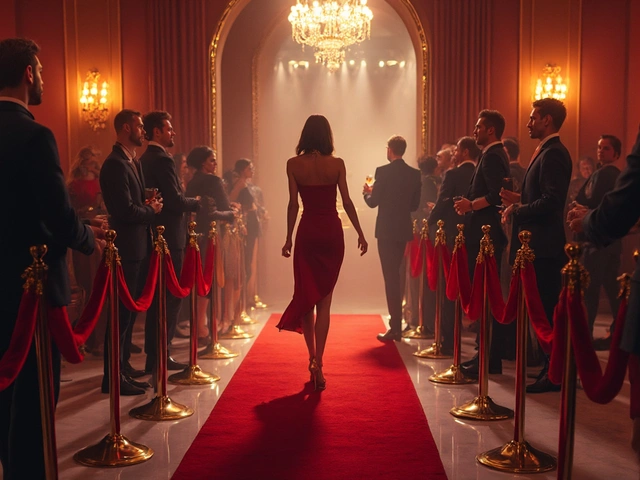

You’ve seen the ads: VIP concert packages with front-row seats, meet-and-greets, exclusive merch, and private bathrooms. The price tag? Often double-or triple-what you’d pay for a regular ticket. So, is it worth it? Or are you just paying for the illusion of exclusivity?
VIP concert packages aren’t one-size-fits-all. What’s included depends on the artist, the venue, and how much they want to charge. But most bundles include at least three things: better seating, early entry, and some kind of physical good-like a poster, lanyard, or limited-edition vinyl.
Top-tier packages might add a meet-and-greet with the band, a photo op, or even a pre-show acoustic set. Some artists, like Taylor Swift or Harry Styles, offer backstage tours or VIP lounges with complimentary food and drinks. Others, especially indie acts, might just throw in a signed setlist and a better view.
Here’s the reality: you’re not paying for the music. You’re paying for access. Access to spaces most fans never see. Access to moments most fans never get. And access to being treated like someone who matters-even if just for three hours.
Let’s say you’re going to see a mid-tier touring band in a 5,000-seat arena. A regular ticket costs $85. The VIP package? $275. That’s $190 extra. What do you get for that?
That’s $115 in tangible goods and perks. The rest? You’re paying for the feeling. The bragging rights. The Instagram post that says, ‘I was front row with the band.’
But here’s the catch: if you’re not the type to snap photos with strangers, or if you’d rather be dancing in the pit than standing in a line for a handshake, then you’re paying for something you won’t use.
VIP packages aren’t designed for die-hard fans. They’re designed for people who want to feel special without the grind. Think: corporate clients, influencers, or people treating themselves after a big promotion.
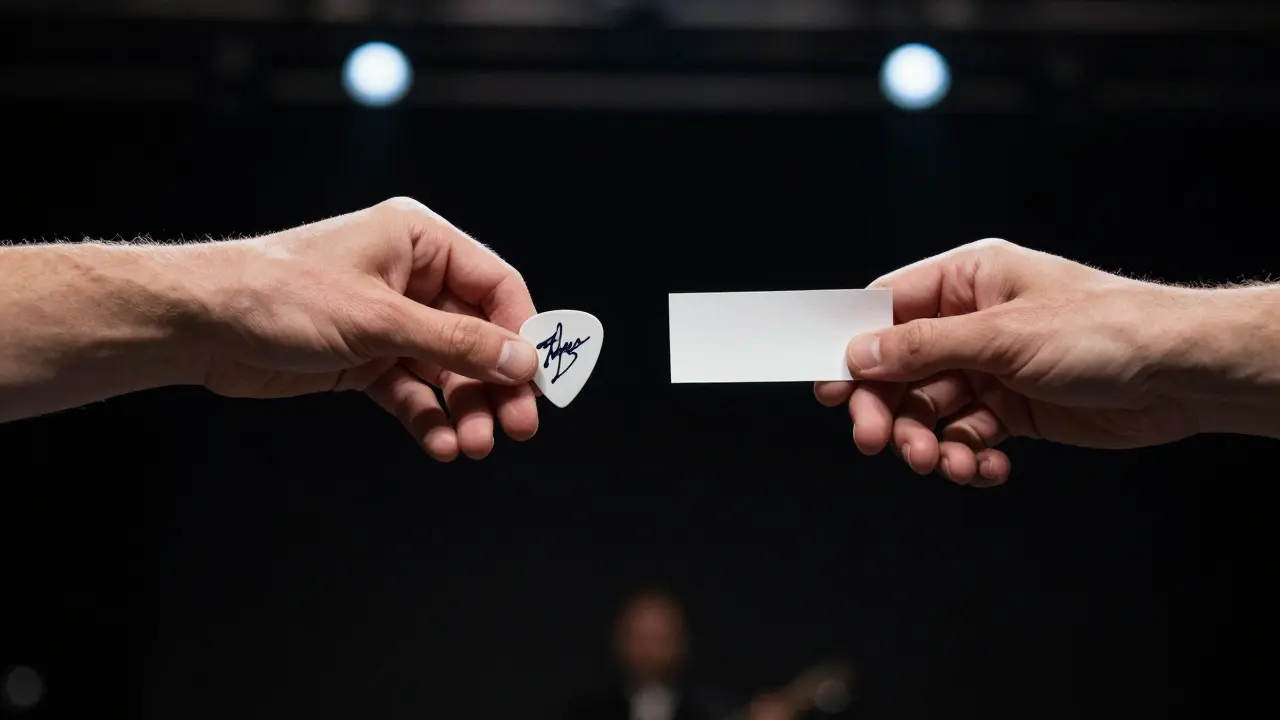
One friend of mine bought a VIP package for her 40th birthday. She didn’t know the band’s lyrics, but she wanted to feel like she’d done something ‘extra.’ She got a signed guitar pick, a free cocktail, and a seat with a clear view. She said it was the most relaxed concert she’d ever been to-no pushing, no shouting, no sweaty strangers. For her, that peace of mind was worth every dollar.
On the flip side, I know a guy who spent $500 on a VIP pass for a rock band he’s followed since high school. He got a photo with the drummer, but missed the whole first song because the line for the meet-and-greet was 45 minutes long. He left frustrated. He didn’t get to hear the music. He got a souvenir and a sore neck.
It’s not about how much you love the band. It’s about what kind of experience you want.
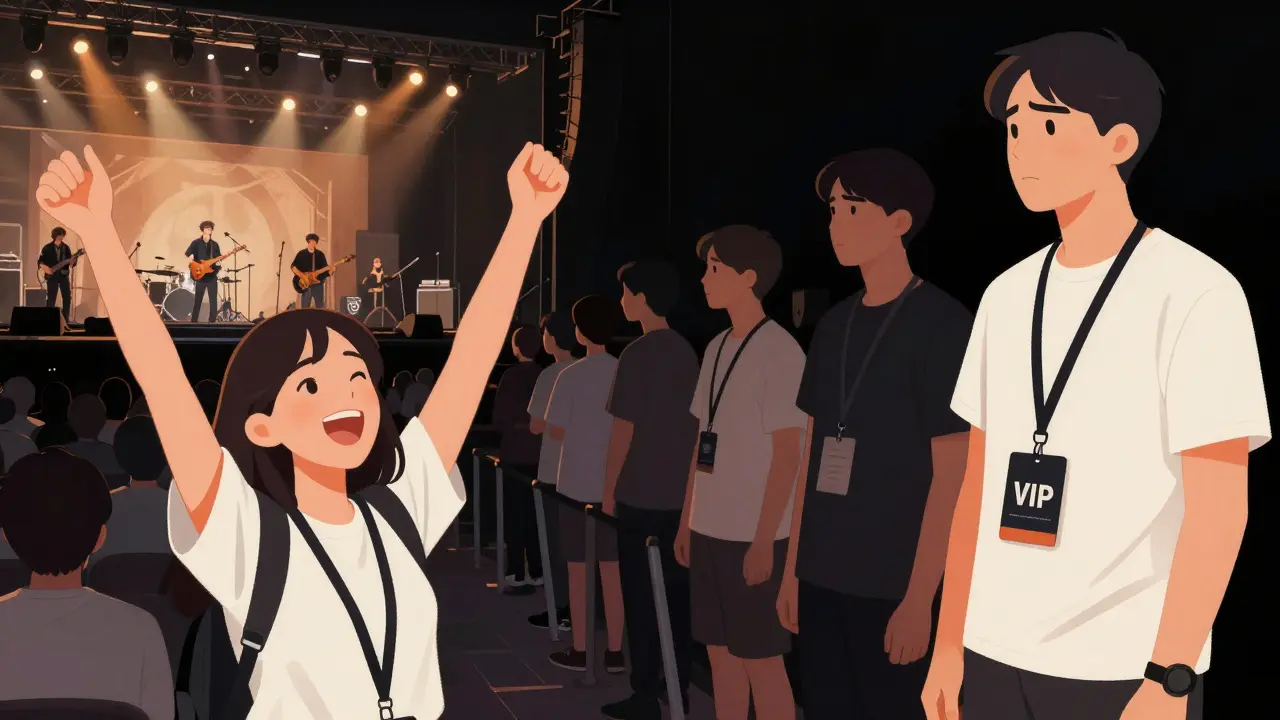
VIP doesn’t always mean better. Sometimes it means more hassle.
And here’s something no one tells you: VIP tickets are non-refundable. Always. Even if the artist cancels the show. You lose everything. Regular tickets? Sometimes you get a refund or credit. VIP? Nope.
There are times when VIP makes sense.
If you’re seeing a one-time-only reunion show-like Fleetwood Mac or Radiohead-and you know this might be your only chance, then yes. Pay extra. You won’t get this moment again.
If you’re taking someone special-a partner, a parent, a friend who’s never been to a big show-and you want it to be memorable, not chaotic, then VIP gives you control. No scrambling for seats. No fighting for space. Just a clean, calm experience.
And if you’re a collector-someone who values signed memorabilia, backstage passes, or exclusive vinyl-then VIP is your gateway. These items often don’t exist outside the package.
For me, the sweet spot is when the VIP perks match your personality. If you’re introverted, quiet, or just want to enjoy the music without the noise, VIP can be a gift. If you’re loud, social, and live for the chaos, stick with general admission. You’ll have more fun, and save $200.
Ask yourself these three questions before buying:
Also, check the venue’s website. Sometimes, they list exactly what’s included. Look for photos from past VIP events. See how crowded the lounge is. Read reviews from people who bought it. Real people, not paid influencers.
And here’s a pro tip: sometimes, the best seats aren’t in VIP. They’re in the second or third row of general admission. You get the same view, the same energy, and you still have $200 to spend on food, drinks, or a new album.
At the end of the day, you’re not buying a better concert. You’re buying a story. A memory. A version of yourself that got to be close to the magic.
But magic doesn’t cost money. It costs presence. You can be front row and still feel distant. Or you can be in the back, eyes closed, hands in the air, and feel like you’re part of something bigger.
So ask yourself: do you want to be close to the band-or close to the moment?
There’s no right answer. Only the one that fits you.
Madhuri Pujari
Let's be real-you're not paying for access, you're paying for delusion. That 'exclusive merch'? Probably manufactured in the same sweatshop as the $15 T-shirts at the back of the venue. And don't get me started on the 'meet-and-greet'-you get 7 seconds with a band member who's been doing this for 14 hours straight, and they're literally reading your name off a sticky note. You think you're special? You're just another number in a line of 200 people who all bought the same $275 fantasy.
Sandeepan Gupta
The math here is straightforward. If you're spending $190 extra, break it down: $30 for better seats, $50 for a shirt that costs $30 to make, $10 for a lanyard, $20 for a signed pick, and the rest? Pure psychological markup. The real value isn't in the objects-it's in the emotional ROI. If you leave the concert feeling uplifted, not drained, then it's worth it. But if you're just chasing Instagram likes, you're being exploited.
Tarun nahata
Yo-VIP isn’t about the merch or the selfies. It’s about the vibe. Imagine this: you’re not drowning in a sea of sweaty elbows, you’re sipping a cold brew in a chill lounge while the opening act kicks off. No one’s shoving you. No one’s yelling in your ear. You actually hear the lyrics. You feel the music. That’s not luxury-that’s sanity. And sometimes, sanity is the most expensive thing you can buy at a concert.
Aryan Jain
They don’t want you to know this but VIP packages are a scam designed by record labels to drain your wallet before the show even starts. The band doesn’t even see half the money. It’s all going to promoters, ticketing bots, and corporate sponsors. And the 'private bathrooms'? Probably just the janitor’s closet with a sign taped on it. You think you’re getting special treatment? You’re just the mark in a $500 pyramid scheme.
Nalini Venugopal
I bought a VIP package last year for my sister’s birthday-she’s deaf, so we got front row with a special audio feed and a quiet zone nearby. The staff even gave us noise-canceling headphones and a sign language interpreter. That $300 wasn’t for the shirt-it was for her to finally feel the bass in her chest. Sometimes, the 'extra' is the only thing that makes the experience possible for people who aren’t built for chaos.
Pramod Usdadiya
i think u miss the point. its not about the stuff. its about the feeling of being part of something bigger. like when u see ur idol walk past and they smile at u. u dont need a photo. u just need to know u were there. and that matters more than money. also, the merch is usually better quality than u think. i got a vinyl that still smells like the studio
Jen Deschambeault
I used to think VIP was for show-offs. Then I went to a festival with my mom-she’s 68, hates crowds, and has bad knees. We got VIP. No lines. A chair. A quiet spot. She cried when the music started. I didn’t care about the merch. I cared that she got to experience it without stress. Sometimes, the most expensive thing you can give someone is peace.
Kayla Ellsworth
Oh wow, a 1500-word essay on why rich people feel special. Groundbreaking. Next you’ll tell me that paying $800 for a ‘premium’ airplane seat makes you a better human. Newsflash: the band doesn’t care if you’re in the front row. They’re just counting your money. And your ‘memories’? They’re just expensive selfies with strangers holding microphones.
Soham Dhruv
i dunno man i went to a show last year and got general admission and ended up right in front of the stage because i got there early. no extra cash spent. just showed up at 3pm for a 7pm show. had the best view, danced with strangers, heard every lyric. the band even made eye contact with me. the real secret? be early. be present. the money you save? buy the album after. and maybe a burrito. life’s better that way