Can You Sell Ticketmaster VIP Tickets? Here’s What Actually Works
You can't legally sell most Ticketmaster VIP tickets - here's what actually works if you can't attend. Learn the rules, avoid scams, and know your real options.
Read More
When you hear VIP concert resale, the practice of buying and selling premium concert tickets after they’ve been initially released, often at higher prices. Also known as secondary market ticketing, it’s not just about getting better seats—it’s about access to early entry, exclusive merch, and sometimes even meeting the artist. But here’s the catch: not all VIP resale tickets are what they claim to be.
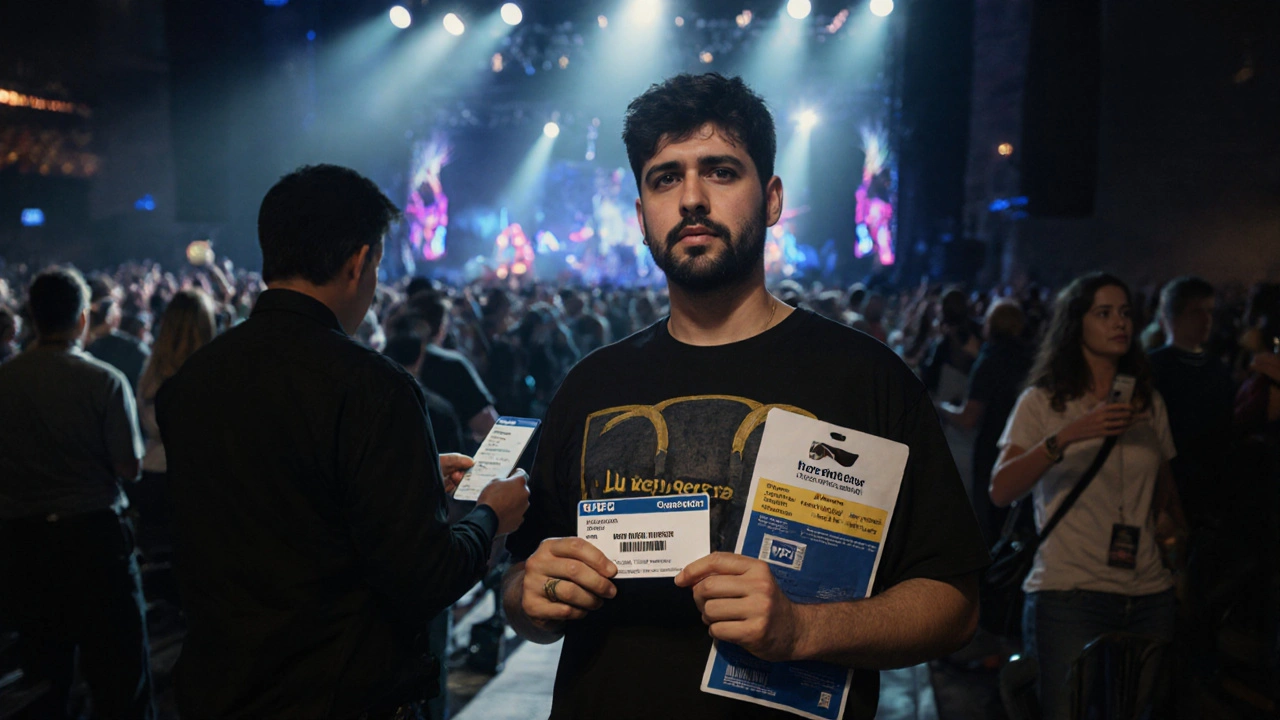
Real VIP concert packages usually come from official sources like Ticketmaster or the venue’s box office. They include perks like backstage access, meet-and-greets, or premium food and drinks. But on resale sites, sellers might label any front-row ticket as "VIP" just to charge more. That’s why you need to know what’s actually included. A $1,200 ticket labeled "VIP" might just be a regular seat with a $200 markup. Meanwhile, the real thing—like a Taylor Swift VIP package with a signed poster and early entry—can cost $2,500 and still sell out in minutes. The difference isn’t just price, it’s proof. Look for official branding, verified seller badges, and clear descriptions of what you’re getting.
Resale platforms like StubHub, SeatGeek, and Vivid Seats are common places to find these tickets, but they’re not all safe. Some listings are fake. Others are from bots that snatch up inventory the second it drops. That’s why timing matters. The best resale deals often appear 48 hours before the show, when scalpers panic and drop prices. But if you’re chasing a meet-and-greet or a backstage pass, don’t wait. Those are almost always gone by the time the general public even gets a chance to buy. And if a deal looks too good to be true—like a $500 VIP ticket to a sold-out Ed Sheeran show—it probably is.
There’s also the legal side. In some states, reselling tickets above face value is restricted. In others, it’s wide open. But even where it’s legal, you’re at risk if the original ticket was tied to the buyer’s ID. Many venues now use digital tickets linked to your phone or credit card. If you buy a resale ticket that’s not transferable, you might get turned away at the gate—even if the seller swore it was "100% guaranteed." That’s why official resale channels, like those run by Ticketmaster or Live Nation, are your safest bet. They guarantee authenticity and offer buyer protection.
And don’t forget the hidden costs. Resale sites add service fees, processing charges, and delivery fees that can push the final price 30% higher than what’s shown upfront. Compare the total cost—not just the listed price. A $800 ticket might end up being $1,100 after fees. Meanwhile, buying directly from the artist’s website during a fan pre-sale can save you hundreds, even if the seats aren’t quite as good.
If you’re serious about VIP concert resale, you need to know the difference between a marketing label and real value. It’s not about how close you are to the stage—it’s about what you walk away with. Was there a custom merch item? Did you skip the line? Did you actually meet the artist, or just get a photo with a stand-in? Those are the details that separate a good deal from a waste of money.
Below, you’ll find real breakdowns of what VIP packages actually include, how much they cost, where to find them safely, and how to spot the scams that drain your wallet. No fluff. Just what works—and what doesn’t.
You can't legally sell most Ticketmaster VIP tickets - here's what actually works if you can't attend. Learn the rules, avoid scams, and know your real options.
Read More