

Ever seen a VIP upgrade ticket listed next to a regular concert seat and wondered what you’re actually paying for? It’s not just a better view. It’s not even just front-row access. VIP upgrade tickets are a whole different experience - and most people don’t know what they’re really getting until they’re standing in a line with a lanyard around their neck, holding a limited-edition poster and waiting for a backstage tour that never happens.
A VIP upgrade ticket is an add-on package sold alongside a standard concert ticket. It doesn’t replace your seat - it enhances it. Think of it as a bundle: better seating, exclusive merchandise, early entry, meet-and-greets, and sometimes even private lounges or complimentary drinks. But here’s the catch - not all VIP packages are created equal. What one artist calls "VIP," another might just call "better seats with a free keychain."
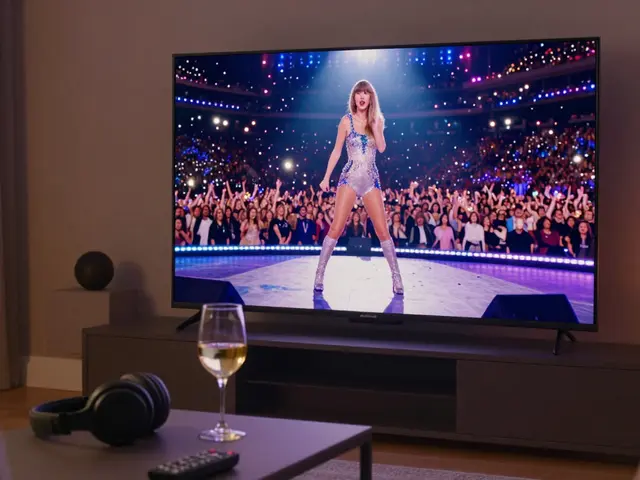
For example, a Taylor Swift VIP package in 2025 included reserved front-row seats, a signed lyric booklet, a custom lanyard, and access to a pre-show lounge with snacks. Meanwhile, a smaller indie band’s "VIP upgrade" might mean a 15-minute window to buy a hoodie before the doors open. The term is unregulated. There’s no industry standard. You’re buying what the promoter decides to package.
Let’s break down what’s commonly included - and what’s often missing.
The biggest surprise? Many VIP packages don’t include parking, transportation, or even a guaranteed seat. You might pay $400 extra, only to realize your seat is next to a pillar.
Prices vary wildly. On average, a VIP upgrade adds $150-$600 to the base ticket price. For a $120 concert, that’s a 125% markup. Some artists, like Harry Styles or Olivia Rodrigo, charge up to $1,200 for top-tier VIP. But here’s the truth: the cost doesn’t always reflect value.
A 2024 survey of 1,200 concertgoers found that 68% felt their VIP experience was "overpriced for what they received." The most common complaints? Poorly timed meet-and-greets, merch that wasn’t exclusive, and lounges that were overcrowded. One fan in Auckland paid $900 for a VIP package - only to find the lounge had no seating, and the "exclusive" poster was the same one sold online for $15.
There’s no formula for value. But a good rule of thumb: if the VIP package includes something you’d pay for anyway - like a $50 T-shirt or a $30 drink - subtract those costs. What’s left? That’s the real price of the upgrade.
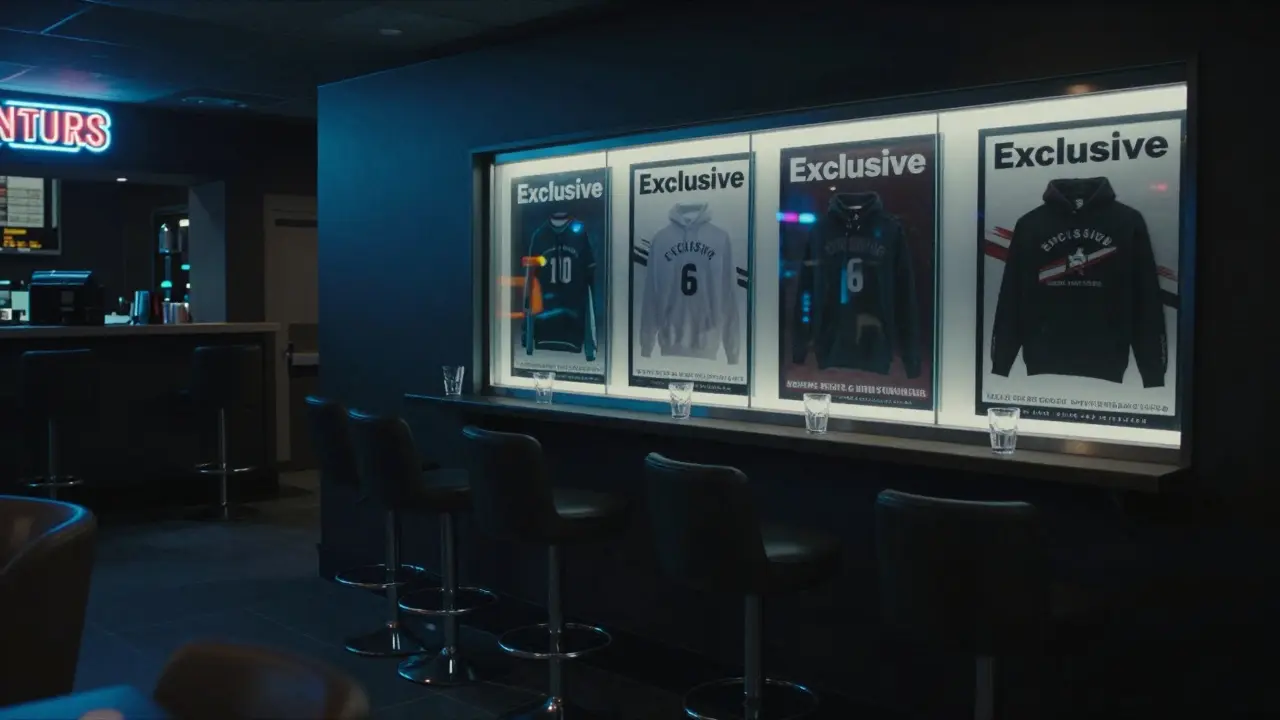
Not everyone. VIP packages are designed for specific types of fans:
But if you just want to hear the music, watch the show, and leave happy? Stick with general admission. You’ll save hundreds. And honestly? The energy of a packed floor is often better than sitting in a quiet VIP section.
Not every "VIP" is legit. Here’s how to tell the difference:

You don’t need to pay $500 extra to have a great concert experience.
It depends on what you want.
If you’re chasing a memory - a photo with your favorite artist, a limited-edition shirt, the feeling of being "special" - then yes, a VIP ticket might be worth it. But if you’re just there for the music? You’re paying for a marketing gimmick.
The truth? Most VIP packages are designed to make you feel like you’re getting something exclusive. But the reality? You’re just paying more for the same show, with a few extra trinkets and a longer line.
Do your homework. Read the details. Talk to fans. And ask yourself: "Am I buying an experience - or just a label?""
Most VIP upgrade tickets are non-refundable, even if the concert is canceled. Refund policies vary by promoter and venue. Some may offer credit for future shows, but cash refunds are rare. Always check the ticketing site’s policy before purchasing.
It depends. Some VIP packages include a "non-transferable" clause, especially if they include meet-and-greets or backstage access tied to your ID. Others can be resold on official platforms like StubHub or Ticketmaster Resale. Always review the ticket’s terms - and never buy from unverified sellers.
Almost never. VIP packages rarely cover parking, rideshares, or public transport. Even at major venues like Madison Square Garden or Spark Arena, you’re responsible for getting there. Some luxury tours (like Coldplay’s 2025 tour) offered shuttle services - but those were exceptions, not the rule.
Yes. Floor seats are general admission standing areas near the stage. VIP tickets usually include assigned seating - often in reserved rows behind the floor or in premium sections. Some VIP packages include floor seating, but most don’t. Always check the seating map - "VIP" doesn’t mean "floor."
Sometimes. A few venues allow upgrades if VIP packages are still available, but this is rare. Most upgrades must be purchased at the same time as the original ticket. If you wait, you’ll likely miss out. Don’t assume you can upgrade later - plan ahead.


NIKHIL TRIPATHI
I bought a VIP package for Coldplay last year and honestly? It was a mixed bag. The pre-show lounge had snacks and a chill vibe, but the seating was right next to a pillar. The merch was cool, but I got the same hoodie two weeks later on Amazon for half the price.
Still, seeing Chris Martin wave from the stage? Worth it. Sometimes it’s not about the stuff-it’s about the feeling.
Shivani Vaidya
While the article presents a balanced perspective, I must emphasize the importance of discernment in consumer behavior. The term 'VIP' functions as a psychological trigger rather than a standardized offering. One must evaluate not only the stated benefits but also the opportunity cost of expenditure. In many cases, the emotional return does not justify the financial outlay, particularly when alternatives such as early general admission yield comparable proximity to the artist.
Thus, informed decision-making remains paramount.
Rubina Jadhav
I got VIP for my sister’s birthday. She cried when she got the poster. That’s all I needed to know.
sumraa hussain
OMG YES. I paid $800 for a Taylor Swift VIP. Thought I was getting backstage. Got a lanyard and a 30-second handshake with some dude who was NOT Taylor. The lounge? Two chairs and 500 people. One guy passed out from heat. I left with a free water bottle and a trauma.
But hey… at least I got a photo. With a stranger holding a guitar. I still frame it. #worthit #notreally
Raji viji
Let’s be real. VIP tickets are a scam designed by marketing geniuses who know exactly how to prey on emotional vulnerability. You’re not paying for access-you’re paying for FOMO wrapped in glitter.
And don’t even get me started on "exclusive" merch. The same damn hoodie they sell online for $20? Now it’s "limited edition" with a $100 markup? Bro, that’s not luxury, that’s theft with a velvet rope.
Also, "backstage access"? That’s code for "a hallway with a sign that says BACKSTAGE (but you can’t go past here)."
And don’t act surprised when you find out your "premium" seat is next to a speaker. You didn’t read the fine print. You got played. Welcome to capitalism, sweetheart.
Rajashree Iyer
There is a metaphysical dimension to the VIP ticket that transcends its material components.
It is not merely a bundle of trinkets or a seat with a better view-it is a ritual. A sacrament of belonging.
You pay not for the concert, but for the illusion of intimacy with the divine. The artist becomes a deity. The lanyard, a holy cord. The poster, a relic.
And yet… in the quiet hours after the show, when the echo of the bass fades, you are left alone with the truth: you were never meant to touch the divine. Only to worship from afar.
So yes, it is overpriced.
But is that not the nature of all sacred things?
Parth Haz
Thank you for this thoughtful breakdown. Many people overlook the importance of reading the fine print, and I appreciate how the article highlights alternatives like fan clubs and early sales.
My advice to anyone considering a VIP upgrade: calculate the true value by subtracting the cost of items you’d buy anyway. What remains is the premium for experience-and that’s subjective.
If it brings joy, go for it. But don’t let marketing dictate your joy.
Vishal Bharadwaj
lol you guys are so naive. VIP tickets aren't even the real problem. The REAL scam is how venues inflate base ticket prices then offer "discounted" vip packages as if it's a deal. You think you're saving? Nah. The base price was raised to make the vip look cheaper.
Also, "priority entry"? More like "priority line for 2000 people". I waited 45 mins. Same as the plebs.
And don't even get me started on the "exclusive" merch. I bought one. It was made in vietnam. Same as the $15 one online. The tag just had a different font.
Also, why do people think "backstage" means anything? It's a hallway with a curtain and a guy with a clipboard. I saw a stagehand take a smoke break there. That's my backstage experience.
Also, you can't upgrade later? That's not rare. That's standard. They want your money upfront. Always.
Also, why is no one talking about how ticketing platforms charge service fees on top of the vip markup? That's like 30% extra. You're paying 2x for nothing.
Also, I'm not even mad. I'm just… disappointed. In humanity.