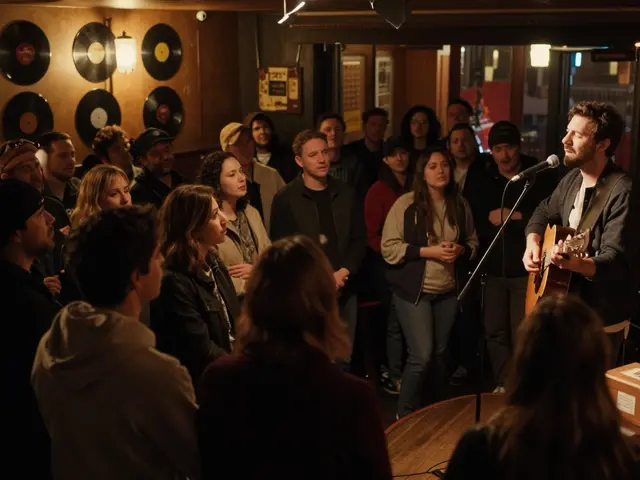

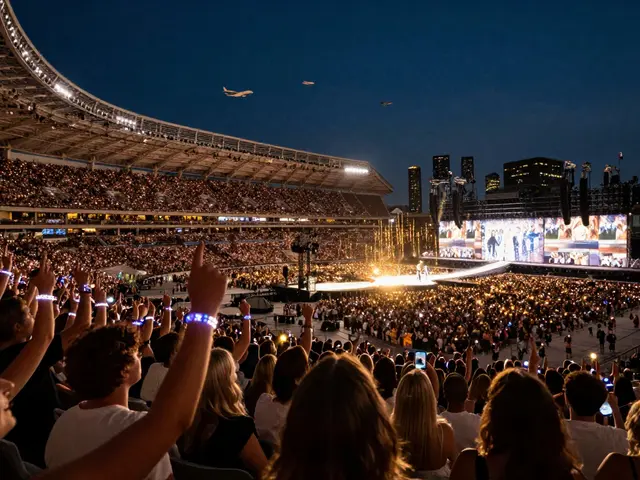
Live streaming a concert feels simple: set up your phone, hit go, and share the energy with friends. But if you’re streaming a live music performance-especially one you didn’t organize-you could be breaking the law without knowing it. You don’t need a license to stream your backyard barbecue, but streaming a live concert? That’s a different story.
When a band plays a song live, they’re not just performing. They’re using copyrighted material. Even if it’s their own song, the recording, lyrics, and composition are protected under copyright law. In most countries, including New Zealand, the rights to publicly perform or broadcast music belong to the copyright holder-usually the songwriter, publisher, or record label.
That means if you stream a live concert where artists are playing songs they didn’t write themselves (like a cover of Taylor Swift or a classic rock anthem), you’re publicly transmitting copyrighted content. And under New Zealand’s Copyright Act 1994, that requires permission.
Streaming to a few friends on Instagram Live might seem harmless. But legally, if your stream is accessible to more than just close family or household members, it counts as a public performance. The law doesn’t care if you have 10 viewers or 10,000. If the stream is open to the public-even if you didn’t invite everyone-it’s considered a broadcast.
Platforms like YouTube, Facebook, and Twitch don’t automatically clear rights for you. They may have blanket licenses with some music publishers, but those cover only certain types of use. Live concert streams? Those are often excluded. If the rights holders detect unauthorized use, your stream can be taken down, your channel flagged, or worse-faced with legal action.
You need a license if:
For example, if you attend a small jazz show at a Wellington café and stream it to your followers, you’re likely violating the venue’s music licensing agreement. The café has a license from APRA AMCOS (the organization that manages performance rights in New Zealand), but that license only covers their own public performances-not your personal broadcasts.
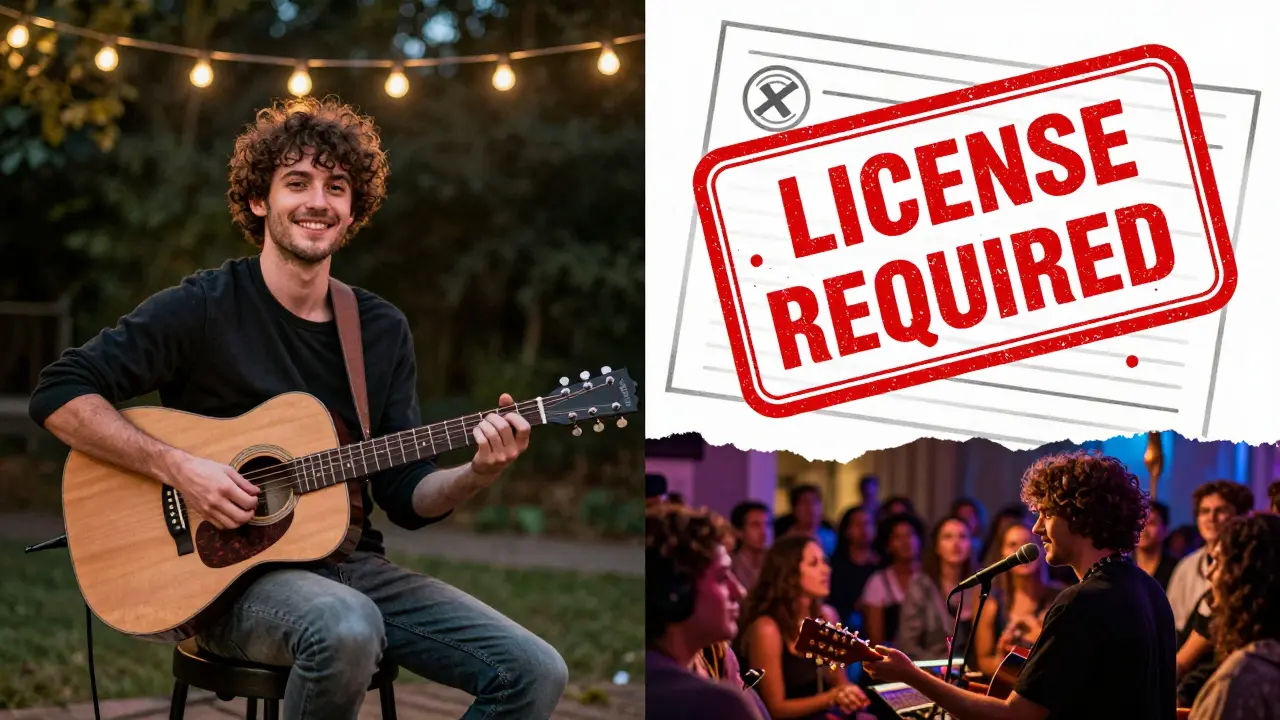
If you’re the artist, you own the rights to your original music. You can stream your own live show without a license. But there’s a catch: if you play a cover song-even once-you’re now using someone else’s copyrighted work. That means you need permission to broadcast that cover.
Many independent artists avoid this by sticking to original material during live streams. Others get permission from their publisher or use services like SoundExchange or ASCAP’s streaming licenses, which offer affordable options for small-scale performers.
In New Zealand, copyright infringement is taken seriously. APRA AMCOS actively monitors live streams and social media for unlicensed music use. They don’t always go straight to court-most cases start with a takedown notice. But repeated violations can lead to:
There’s a real case from 2023 where a Christchurch-based streamer was fined NZ$22,000 after broadcasting 17 live gigs over six months, mostly covers of international hits. The streamer claimed they didn’t know it was illegal. The court didn’t accept ignorance as a defense.
There are three safe ways to stream a live concert:
For venues: if you’re organizing a live stream as part of a ticketed event, you need a public performance license from APRA AMCOS. The cost varies based on audience size and revenue, but for small events, it can be as low as NZ$100 per stream.
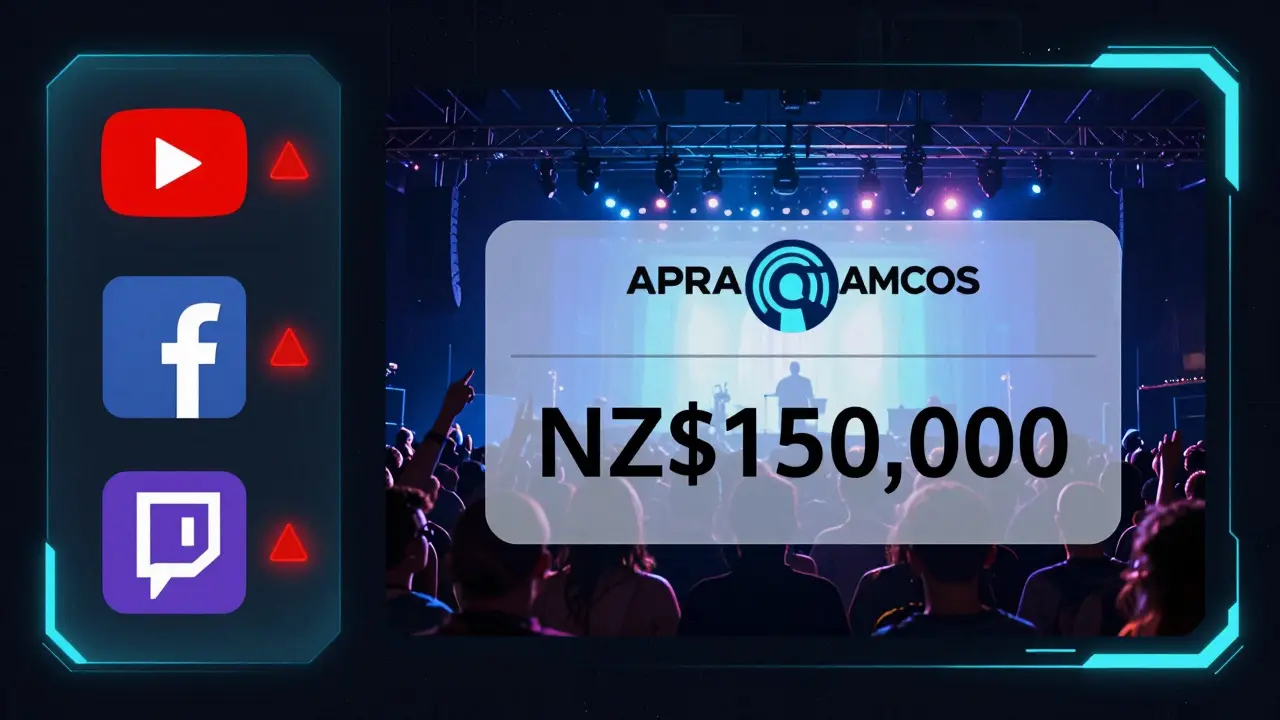
Many fans record short clips of concerts and post them online. While these are often tolerated, they’re still technically illegal. Record labels and publishers use automated systems (like YouTube’s Content ID) to detect and monetize or block these clips. Some artists encourage fans to share, others don’t. It’s a gray area-but if you’re streaming a full set, you’re no longer a fan. You’re a broadcaster.
Music creators rely on performance royalties to survive. When you stream a concert without permission, you’re cutting into the income of songwriters, session musicians, and producers. That’s not just a legal issue-it’s an ethical one.
Streaming a live show shouldn’t be about bypassing the system. It should be about sharing music responsibly. The right tools exist to make this easy. APRA AMCOS offers a simple online form for non-commercial streamers. Many artists now offer official live stream links through their websites. And platforms like Bandcamp let artists sell access to live shows with built-in licensing.
You don’t need a license to record your cat sleeping. But you do need one to broadcast a live concert. Whether you’re a fan with a phone, a small venue owner, or an artist trying to reach more people-know the rules. Ignorance doesn’t protect you. But understanding them? That lets you stream with confidence.
Yes, if the performance includes copyrighted music-even if it’s your own band playing a cover. Instagram doesn’t have a blanket license for live music broadcasts. If you stream a full concert, you risk having your stream removed or your account flagged. Stick to original music or get permission from the rights holder.
Yes, but only if you have permission. Non-commercial streaming doesn’t make it legal. Copyright law protects the rights of creators regardless of whether money changes hands. Many artists and publishers still require a license even for free streams, especially if they’re being broadcast from a venue or event.
The venue’s license only covers their own public performances, not your personal broadcasts. Even if the venue allows phones on stage, they can’t give you the legal right to transmit copyrighted music. You still need separate permission from the copyright holder or their licensing body, like APRA AMCOS.
There are no official exceptions for small audiences. However, rights holders rarely pursue action against streams with fewer than 50 viewers if they’re non-commercial and don’t include commercial branding. But this is tolerance, not legality. The safest path is always to get permission.
Contact APRA AMCOS directly through their website. They offer a simple application form for non-commercial and commercial live stream licenses. For small events under 200 people, fees start at NZ$100. If you’re an artist, you can also apply for a streaming license through their Artist Services portal. Many music publishers now offer digital licenses through platforms like Loudr or Easy Song Licensing.
Michael Thomas
Stop pretending this is complicated. If you're streaming copyrighted music, you're breaking the law. Period. No excuses. APRA AMCOS isn't asking for much-just a license. Get one or don't stream. Simple.
Abert Canada
I get it. I'm from Canada, and we've got SOCAN doing the same thing here. But honestly? Most artists don't care if you stream their live set unless you're making money off it. I've seen bands on Instagram Live with 200 people watching and they literally thank the streamer in the next post. The system's broken, not the fans.
Xavier Lévesque
So let me get this straight. I can't stream my buddy's garage band playing 'Wonderwall'... but I can post a 30-second clip of it and TikTok lets it ride?
Yeah right. The whole thing's a corporate loophole dressed up as copyright protection. They're not protecting artists. They're protecting ad revenue.
Thabo mangena
It is with profound respect for the creative ecosystem that I offer this observation: the integrity of artistic compensation must be preserved. When we stream live performances without authorization, we undermine the very foundation upon which musicians sustain their craft. A license is not a burden-it is a gesture of ethical reciprocity. APRA AMCOS provides accessible pathways. One should avail oneself of them with dignity.
Karl Fisher
Ugh. I just got my third copyright strike this month. I swear, the music industry is just one big Ponzi scheme.
They don’t care about artists. They care about royalties from people who haven’t even been born yet. I streamed a jazz set in Portland. They took it down. Then they monetized the *reupload* they made themselves. I’m not mad. I’m just... disappointed in humanity.
Buddy Faith
They say you need a license but no one ever says who owns the copyright to a live performance. Is it the band? The venue? The sound engineer? The guy who held the door open?
Who even wrote this law? Some lawyer who never been to a show? This is all just a scam to get you to pay for something that doesn't exist. The whole system is rigged.
Scott Perlman
Just don't stream covers. Play your own stuff. Keep it simple. No need to overthink it. If you're not charging, no one's losing money. If you're not making money, you're not hurting anyone. Just be cool. People know the difference.
Sandi Johnson
Oh wow. So now I need a PhD in music law just to film my friend’s ukulele set at the coffee shop?
And you think the guy who runs the café has a license? He’s got a $12/month Spotify account and a napkin with 'free Wi-Fi' scribbled on it. This isn’t law. It’s performance art.
Eva Monhaut
I’ve streamed dozens of live sets from small venues across the U.S. and never once got a takedown. Why? Because I never monetized. I never used flashy edits. I always tagged the artist. I never claimed ownership.
There’s a difference between being a fan and being a broadcaster. Be a fan. Share the joy. Don’t turn it into a product. The music will thank you. And so will the people who make it.