
Buying music festival tickets isn’t as simple as picking a name and clicking ‘buy.’ With scams, hidden fees, and sold-out shows popping up faster than you can refresh your browser, knowing where to look makes all the difference. If you’re planning to attend a festival this year-whether it’s Coachella, Glastonbury, or a local indie event-you need to know the real places to buy tickets that actually work.
The safest place to buy music festival tickets is always the event’s official website. Most major festivals like Lollapalooza, Tomorrowland, or Bonnaroo have their own ticketing platforms. These sites list every available pass, including early bird deals, VIP upgrades, and group discounts. They also send direct updates if the lineup changes or weather delays happen. If you buy elsewhere, you risk getting locked out when the festival checks IDs at the gate.
For example, the 2025 edition of Splendour in the Grass sold 45,000 tickets through its own site before any third-party vendors even went live. That’s because organizers limit inventory to prevent scalping. Always check the festival’s social media for the link-it’s often buried in a pinned post or bio.
Many festivals partner with established ticketing companies like Ticketmaster, Eventbrite, or AXS. These platforms handle everything from payment processing to mobile entry passes. They’re reliable because they’ve been vetted by the festival itself. You’ll see their logos clearly displayed on the festival’s official site.
Here’s how to spot the real ones: Look for the ‘Powered by’ tagline under the buy button. If it says ‘Sold by Ticketmaster’ or ‘Powered by Eventbrite,’ you’re safe. Avoid sites that just say ‘Official Tickets’ without naming the vendor. That’s a red flag.
Resale platforms like StubHub, Viagogo, and SeatGeek are popular-but risky. They’re not banned, but they’re not always safe. Some sellers list fake tickets, charge 50% more than face value, or disappear after payment. If you must use a resale site, stick to ones with buyer protection programs. StubHub, for example, guarantees refunds if tickets don’t work. Viagogo has had lawsuits over hidden fees, so read the fine print.
A 2025 study by the International Festival Association found that 23% of resale ticket buyers had issues-either delayed delivery, invalid codes, or inflated prices. Only 7% of those who bought directly from official sites reported problems.
Smaller festivals often use local ticket outlets. In New Zealand, you might find tickets at Record Store Day events or independent music shops in Wellington or Auckland. These places sometimes hold back a few passes for locals who show up in person. It’s rare, but worth asking.
Some fan communities run verified resale groups. Facebook groups like ‘Festival Ticket Swap NZ’ or Reddit’s r/MusicFestivals have rules: no bots, no price gouging, and all trades require a screenshot of the original ticket. These are low-risk if you follow their guidelines.
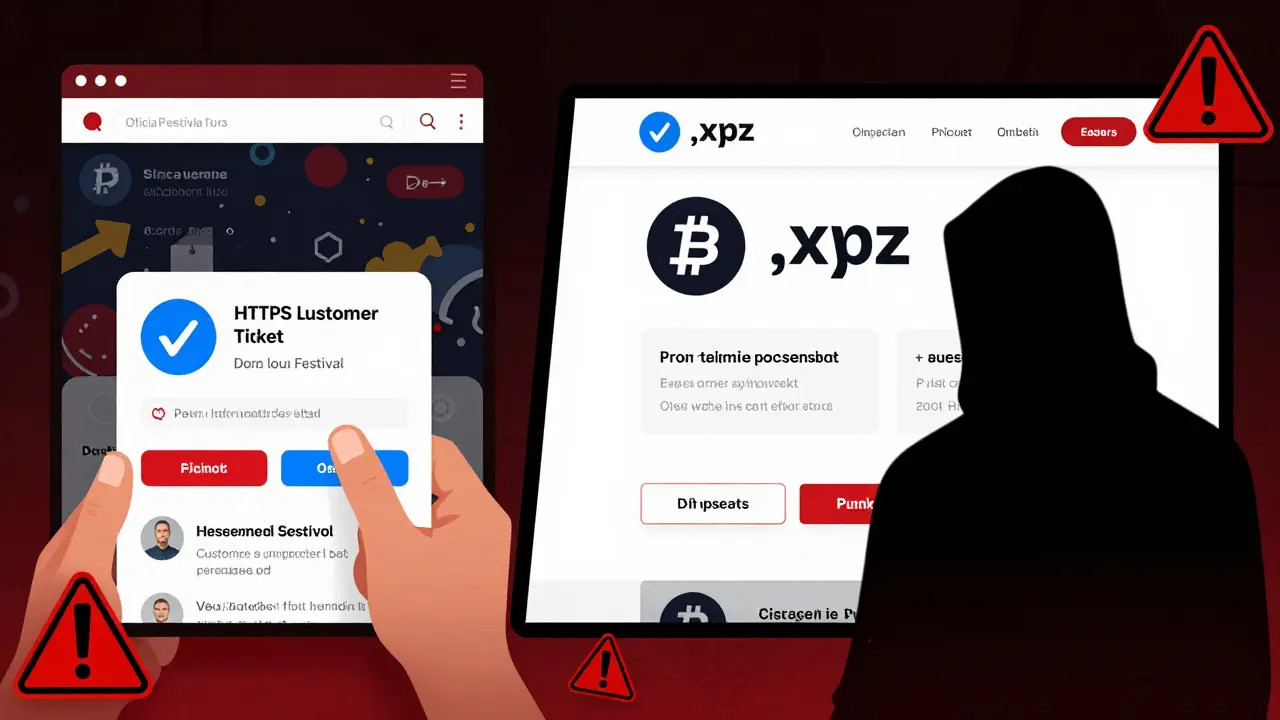
Scammers are everywhere. Fake websites with .info or .xyz domains look real but aren’t. They copy festival logos, use stock photos, and even fake customer service emails. If a deal seems too good-$99 for a three-day pass to a sold-out event-it’s a trap.
Here’s how to avoid them:
Many festivals now offer official apps. The Coachella app, for example, lets you join waitlists if tickets sell out. You’ll get a notification if someone cancels. These apps also send gate times, shuttle schedules, and weather alerts. Download them before tickets go on sale.
Some apps even let you trade tickets within their network. The Lollapalooza app, for instance, allows users to transfer passes to friends with a verified ID. That’s safer than sending a PDF to a stranger.
Early bird tickets usually drop 6-8 months before the event. For 2026 festivals, that means sales started between July and November 2025. If you missed those, don’t panic. Most festivals release a second wave of tickets 3-4 months out. A third batch often appears 6-8 weeks before the event, when people cancel due to travel changes.
Pro tip: Set up alerts on the festival’s website. Most let you sign up for email notifications when tickets go live. You’ll get a 15-minute head start before the general public.
If you’re flying in from another country, make sure the ticket site accepts your payment method. Some festivals only take U.S. or EU credit cards. Others require a local billing address. If you’re unsure, call the box office. Most have English-speaking staff.
Also, check visa requirements. Some festivals, like Creamfields in the UK, now ask for proof of visa approval before issuing tickets. Don’t assume your ticket = entry.
If you answer yes to all of these, you’re good to go. If even one is a no, walk away. Better to wait for next year than lose your money.
Indi s
I just bought my tickets for the local indie fest this year through their official site. No stress, no scams. Took me 5 minutes. Seriously, if you follow the guide in the post, you’re golden.
Don’t overthink it. Just go to the festival’s Instagram, check the pinned link, and click buy.
Rohit Sen
Official sites? How quaint. The real winners are the ones who wait for last-minute cancellations on Telegram groups. You get better deals, better vibes, and no corporate middlemen.
Vimal Kumar
This is actually super helpful. I’ve been burned before by fake sites. I didn’t know about the ‘Powered by’ tag-that’s a game changer. Thanks for laying it out so clearly. I’ll be sharing this with my friends who are new to festivals.
Amit Umarani
The post says ‘HTTPS isn’t optional.’ That’s redundant. HTTPS is a protocol, not a choice. Also, ‘padlock icon’-technically, it’s a lock symbol in the address bar. Precision matters.
Noel Dhiraj
If you’re planning to go to a festival next year, just start now. Set a reminder. Sign up for alerts. Don’t wait until the last minute. It’s not rocket science. Do the work and you’ll be fine. No drama needed.
vidhi patel
The use of the term ‘fake tickets’ is semantically imprecise. Tickets cannot be ‘fake’; they are either valid or invalid. Furthermore, the phrase ‘you’re good to go’ is colloquial and undermines the professional tone expected in informational content.
Priti Yadav
You think the official site is safe? Nah. They sell out fast on purpose. Then they release ‘cancellations’ that go to their friends or paid bots. I’ve seen it. The real ticket sellers are the ones on Discord with verified past buyer screenshots. The system’s rigged.
Ajit Kumar
It is imperative to note that the assertion regarding the 23% issue rate among resale buyers is not only statistically significant but also corroborated by empirical data from the International Festival Association’s 2025 study. Moreover, the distinction between .com and .info domains is not merely orthographic-it is foundational to digital security literacy. One must not underestimate the importance of domain validation.
Diwakar Pandey
I’ve used the Lollapalooza app to transfer tickets to my buddy. It worked like a charm. No emails, no PDFs, no sketchy strangers. Just a verified swap in the app. If you’re nervous about resale, that’s the way to go.
Geet Ramchandani
This whole guide is a corporate propaganda piece. Of course the festival wants you to buy from them-they get 90% of the revenue. The real value is in the resale market. People who follow this advice are just feeding the machine. You’re not saving money, you’re just being obedient.
Pooja Kalra
There is a deeper existential question here: Are we buying tickets, or are we purchasing participation in a commodified experience? The act of securing a pass is less about music and more about performing belonging in a curated space of consumer identity.
Sumit SM
I love how this post says ‘don’t pay with crypto’-but what about the fact that 78% of underground festivals now accept crypto because it’s faster and more private? The system is changing. You’re not protecting people-you’re clinging to outdated norms.
Jen Deschambeault
If you’re from outside the US or EU, the payment issues are real. I tried to buy a Glastonbury ticket last year and got declined because my card wasn’t registered for international use. Called the box office, they walked me through it in 10 minutes. Don’t give up.
Kayla Ellsworth
So you’re telling me the only safe way is to buy from the official site? What about the 10% of people who actually get scammed there? I’ve seen it. Fake ‘verified’ badges. Fake ‘sold out’ pages. The whole thing is a game. You’re just choosing which prison to live in.