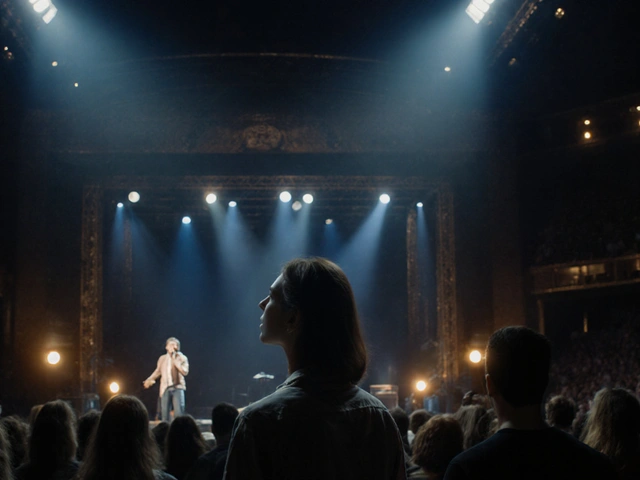

Imagine walking into a room where every corner buzzes with anticipation, lights drop, and the sound system kicks your chest right before the first note hits. That feeling is the promise of a live show, and finding the right spot to catch one depends entirely on which Georgiaa U.S. State known for massive stadium tours or a Caucasus nation with a rich traditional music scene you are asking about. This guide clears up the confusion completely by breaking down the top spots for music fans in both locations, ensuring you don't buy a ticket for Tbilisi when you meant Atlanta. Whether you're chasing the biggest hip-hop acts on the East Coast or hunting for folk traditions in the mountains of the Republic of Georgia, the venue landscape changes drastically based on the location.
If you are in the United States, "Georgia" almost always means Atlanta when people talk about tour stops. The city functions as a massive crossroads for artists heading between New York and Florida. You generally have three tiers of experience here: the arena, the theater, and the stadium. Each serves a different type of fan and artist roster.
The State Farm ArenaA premier indoor sports and entertainment venue located in downtown Atlanta, hosting 20,000 patrons for concerts and gamesPhilips Arena is the heartbeat of this scene. If you see a global pop star or a classic rock band on the horizon, they are booking this space. It sits directly on West Peachtree Street, making it accessible via MARTA subway, which is a lifesaver if traffic turns bad. The acoustics here are tuned for big production value. Unlike smaller clubs, you get pyrotechnics, hanging screens, and floor-to-ceiling visuals.
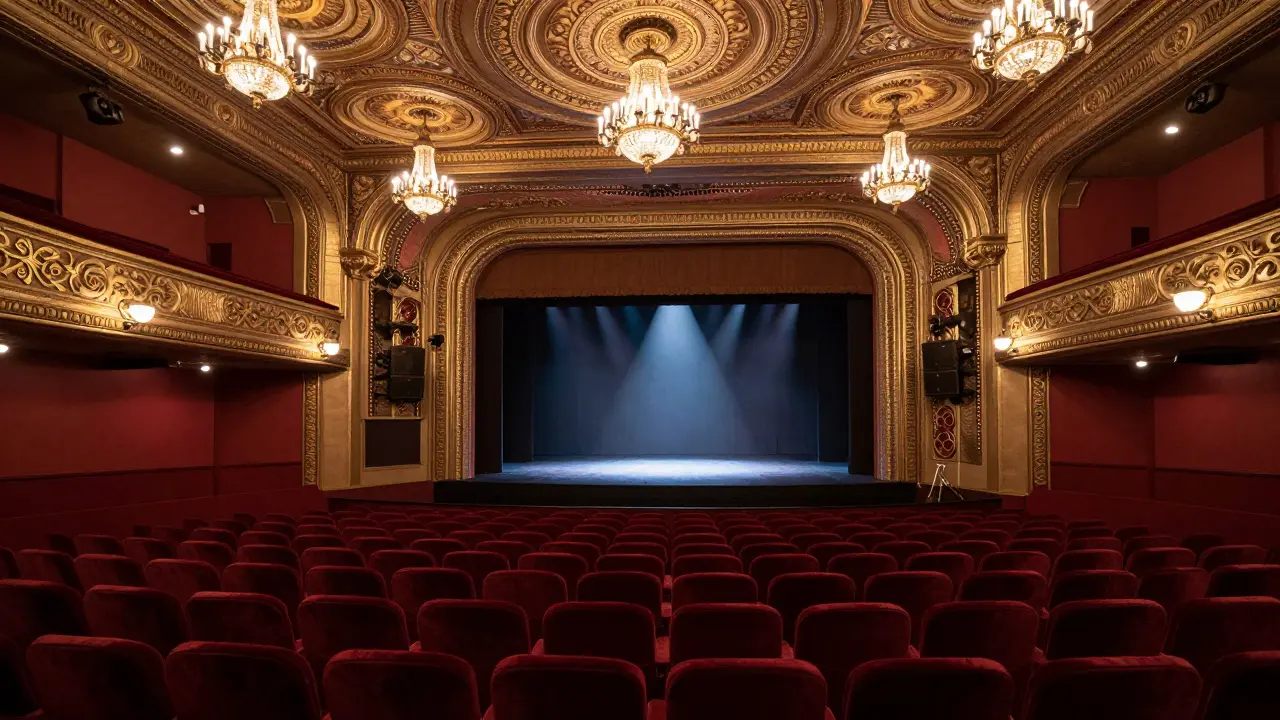
For a slightly more intimate but still grand setting, The Fox TheatreAn historic Art Deco movie palace built in 1929, featuring a velvet interior and renowned acoustic properties for symphonies and musicals remains unmatched. Built during the golden age of cinema, the red velvet seats and intricate mosaics create a vibe that feels less like a generic warehouse and more like stepping into a 1930s film. They host everything from bluegrass legends to comedy specials that require better sound quality than a gymnasium allows. The seating chart dictates the view; orchestra rows offer the best visual line of sight, while balcony options exist for budget-conscious fans who want the full audio mix.
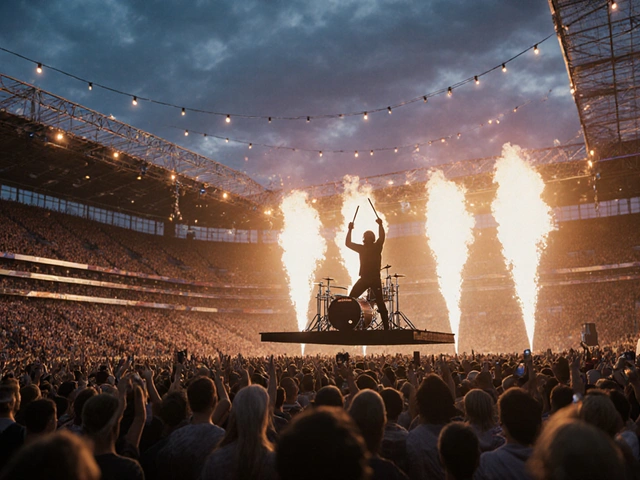
When the crowd size demands mass energy, Mercedes-Benz StadiumA massive outdoor stadium in Atlanta designed to host large-scale concerts, sporting events, and festivals with capacity exceeding 70,000 guests takes over. Think Taylor Swift-sized productions or Coachella-style weekend festivals. The roof retracts depending on the season, meaning weather is a factor if you visit in late spring or autumn. In March 2026, weather forecasts suggest mild evenings, perfect for standing floor shows. Security lines here can stretch hours, so arriving before gates open is non-negotiable.
Not everyone lives near the interstate running through Atlanta. Georgia's smaller cities have carved out niches for regional genres. Athens, for instance, isn't just a university town; it's the birthplace of indie-rock culture in the 90s. Venues like Eyes Legs Arms (if operational in 2026 or similar successors) carry that legacy. If you love alternative bands and college radio playlists, skipping straight to Atlanta might mean missing a breakout local set.
Savannah also boasts a heavy tourism circuit for music. During festival seasons, their amphitheaters fill up. If you are interested in blues or jazz, look for riverfront spots along the Savannah River. These spots often host dinner-and-show packages, blending dining with entertainment rather than just a night of loud noise.
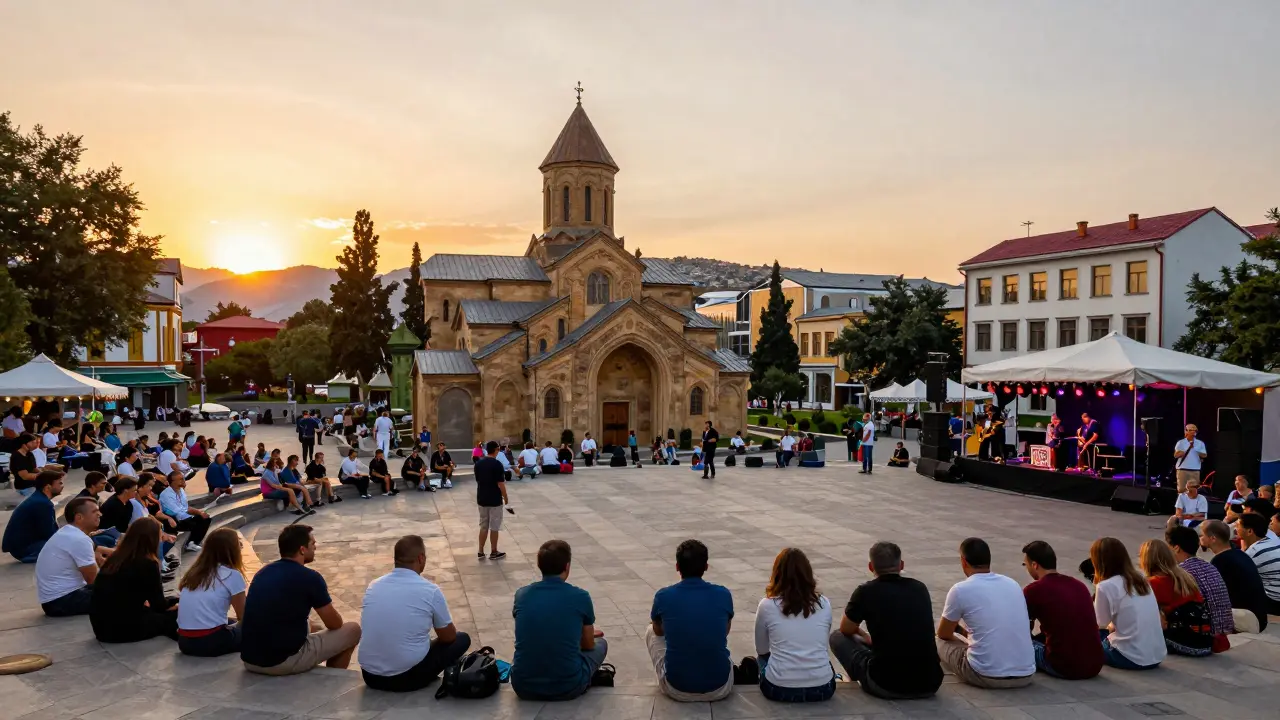
Now, shift your map to Eastern Europe. The Republic of GeorgiaA nation in the Caucasus region, east of the Black Sea, known for complex polyphonic singing and vibrant contemporary arts scenes offers a completely different concert culture. Here, the scale is smaller but the passion is higher. Tbilisi, the capital, runs the music engine.
The Tbilisi Symphony Orchestra HallA premier classical music venue in the capital city hosting orchestral performances and traditional folk ensembles is the anchor for classical and traditional folk groups. If you want to hear polyphonic singing-the multi-layered vocal style unique to this country-this is the authentic home base. Acoustics are preserved, but dress codes are slightly stricter than American arenas.
For modern electronic beats or indie pop, look toward Freedom SquareA public square in downtown Tbilisi used for open-air concerts, protests, and large cultural gatherings. When the sun sets, this open space transforms into a free stage for community festivals. Access is easy; just walk through the old town. No security lines blocking the view. However, amenities like bathrooms and food vendors are sparse compared to US standards. Bring water.
Batumi, on the coast, shifts the genre to dance and beach music. Batumi BoulevardA coastal promenade lined with bars and clubs hosting DJ nights and seaside open-air parties becomes the main street party in summer. By March, you might find fewer options here as winter lingers, but the warm-up season brings the first festival announcements.
Buying tickets has changed significantly. Scalpers now use bots to snatch inventory instantly. For Atlanta shows, legitimate sources remain Ticketmaster and Live Nation. Never pay extra for "guaranteed access" links from social media ads; those often lead to resale sites charging inflated prices. Set calendar reminders for pre-sale dates. Major arenas release general public on-sale 30 days prior, but verified fan clubs often unlock entry 7 days before.
In Tbilisi, digital infrastructure relies heavily on local platforms or direct venue contacts. Instagram pages for clubs like Kldi Gldi often hold their own ticketing lists. Cash is still king at many local doors, even in 2026. Carrying small denominations avoids delays.
| Venue Name | Typical Capacity | Primary Genre | Vibe Rating (1-10) |
|---|---|---|---|
| State Farm Arena | 20,000+ | Pop/Rock/Hip-Hop | High Energy / 8 |
| Fox Theatre | 4,700 | Jazz/Theater/Legacy | Intimate / 9 |
| Freedom Square | 5,000+ | Folk/Festival/Pop | Community / 7 |
| Tbilisi Opera | 1,200 | Classical/Polyphony | Premium / 10 |
If you are driving to the US side, download the MyParking app for the venue zip code. On weekends, valet lines exceed an hour. In the Republic, Uber and Bolt work reliably for getting between neighborhoods. Safety-wise, both regions are tourist-friendly regarding events, but standard vigilance applies in crowded areas.
Timing matters. Spring (March-May) brings cooler air, ideal for outdoor stages in the country. Summer heats up quickly in Atlanta, pushing crowds indoors to air conditioning. Know what season works best for your playlist preference.

Kendall Storey
The sonic architecture relies heavily on subwoofer placement strategies. Many newer venues neglect the critical mid-range frequencies entirely. You observe this deficiency clearly when analyzing the State Farm specifications. The delay towers are positioned specifically to minimize phase cancellation issues. Without proper calibration, the low-end response feels incredibly muddy. Sound engineers often prioritize visual spectacle over clean audio delivery. A balanced EQ curve remains essential for vocal clarity during drops. Older theaters like the Fox maintain natural reverb characteristics effectively. Wood paneling contributes significantly to the warmth of the room environment. Modern glass arenas tend to introduce unwanted flutter echo effects consistently. This phenomenon degrades the transient response of percussive hits noticeably. Digital signal processors attempt to compensate for inherent physical limitations. Budget cuts frequently impact the overall quality of monitoring mixes. Front of house engineers struggle to fix inherent room modes easily. True audiophile standards remain largely elusive in mass market locations today.
Ashton Strong
One would argue that logistical planning is equally vital to the auditory experience. Transportation infrastructure dictates the accessibility of these major cultural hubs. Public transit options such as MARTA provide necessary relief from congested arterial roads. Parking apps facilitate a streamlined arrival process for those driving personal vehicles. Security protocols vary significantly between municipal and private event spaces. Organizing travel schedules requires anticipation of potential delays or service interruptions.
Megan Blakeman
Tbilisi vendors definitely prefer cash payments for entry!!!!! :)
Always carry small bills!
Akhil Bellam
The ephemeral nature of folk polyphony transcends mere entertainment paradigms. Authentic cultural immersion demands a departure from commercialized pop spectacles. Western audiences often misunderstand the spiritual resonance of these gatherings. Freedom Square serves as a secular cathedral for collective expression. Modern digital platforms fail to capture the visceral energy of live performance.
Robert Byrne
Do not ignore the security warnings at large open-air events. Scammers target tourists near popular gathering spots aggressively. Trust your instincts when approaching unauthorized sellers. Keep your valuables hidden deep within pockets at all times. Safety takes precedence over convenience in crowded international zones.
Tia Muzdalifah
I gona check out the music scen in Savanah next summer!
The riverfront spottis look really nicce for dinner shows too.
ravi kumar
It seems wonderful to hear about regional appreciation for diverse musical styles. Community bonding through shared artistic experiences fosters lasting connections. Everyone benefits from understanding different venue traditions. Your research offers valuable context for future travelers planning trips.
Pamela Tanner
The distinction between state-based and nation-based nomenclature creates significant confusion for visitors. Clarity in geographical references prevents accidental itinerary errors. Travelers must verify destination coordinates before purchasing tickets online. Ambiguity regarding location remains a persistent challenge in global tourism sectors.
Kristina Kalolo
Data regarding release windows indicates early sales begin four months prior to headliner dates. Verified fan programs unlock access approximately seven days before general public availability. Ticketmaster serves as the primary distribution platform for domestic markets. Local portals handle transactions for international venues exclusively.
Amber Swartz
The crowd control situation is absolutely a nightmare during peak festival weekends! People pushing and shoving ruins the entire atmosphere instantly. It feels completely unsafe standing in those dense clusters for hours. Management never handles the bottlenecks at the main exit doors.
Steven Hanton
Perhaps arriving earlier helps mitigate congestion issues observed by others. Standard vigilance applies in most densely populated areas regardless of venue size. Patience might yield better results when navigating entry lines later in the season.