House Concert: What It Is and Why It's the Most Intimate Way to Experience Live Music
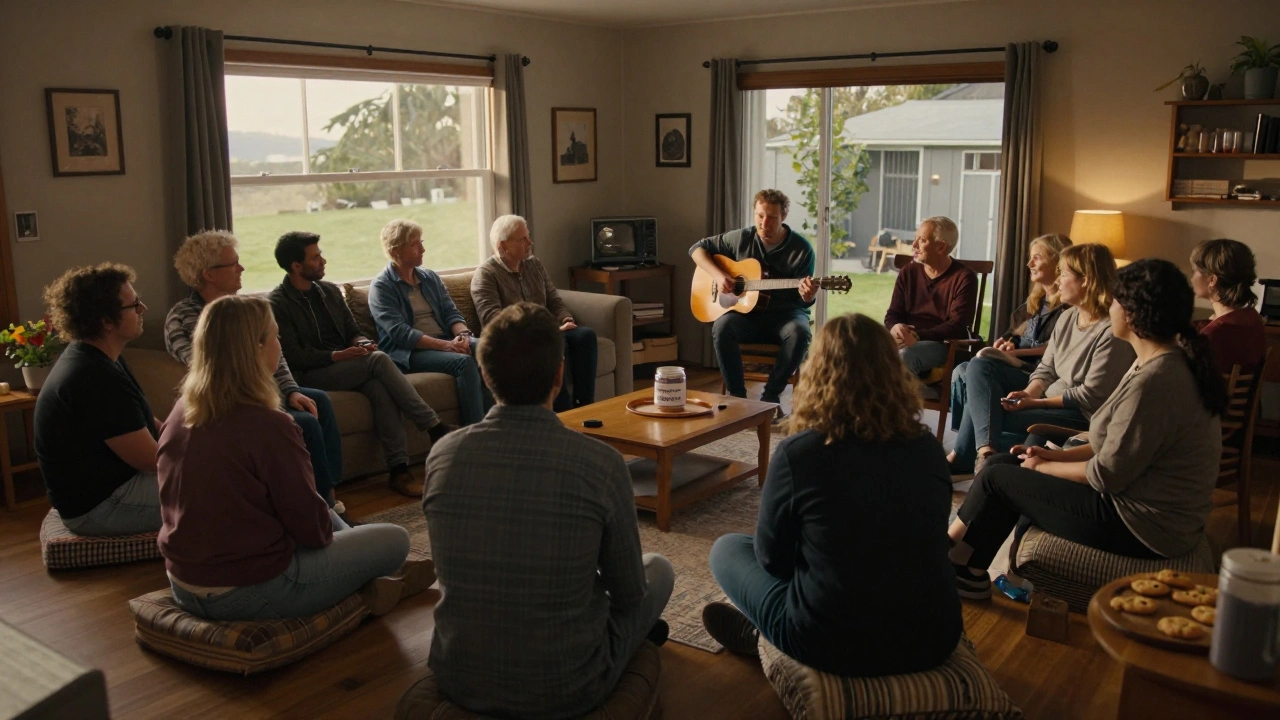
When you think of a live music event, you probably imagine a packed arena, flashing lights, and loud speakers. But a house concert, a live music performance held in a private home, often hosted by a fan for a small group of friends and neighbors. Also known as a home concert or intimate gig, it strips away the spectacle and puts the music right in front of you—no barriers, no distractions, just sound and soul. This isn’t a backyard barbecue with a playlist. It’s a real show: an artist sets up on a porch, in a living room, or even a driveway, plays their full set, and connects with every person in the room. The crowd isn’t just listening—they’re part of the moment.
House concerts are growing because people are tired of paying $150 for a ticket just to stand 50 feet from the stage. At a house concert, you’re five feet away. You can hear the singer’s breath between lines. You see the guitarist’s fingers move across the strings. You laugh when they mess up a lyric—and they’ll thank you for it afterward. These events often happen in places like Portland, Austin, or Asheville, where music is part of the culture, but they’re popping up everywhere—from suburban basements in Ohio to farmhouses in Vermont. Artists love them too. No tour bus drama, no opening acts, no corporate sponsors. Just music, money that goes straight to the performer, and real human connection. It’s how music used to be before the industry turned concerts into products.
Hosting one isn’t as hard as you think. You don’t need a big house. A living room with 20 chairs, a power outlet, and a quiet night works fine. Most hosts charge a suggested donation—$15 to $30 per person—so the artist gets paid fairly without ticketing fees eating into their cut. Many artists even bring their own gear. You just need to spread the word: invite friends, post on local Facebook groups, maybe put up a flyer at the coffee shop. The magic happens when strangers become a crowd, and the crowd becomes a community. You’ll hear songs you’ve never heard live before. You might even get a story behind the music that no YouTube video could ever capture.
And it’s not just for folk singers or acoustic acts. Rock bands, jazz trios, even electronic musicians have played house shows—sometimes with just a laptop and a speaker. The setting changes everything. A song that feels distant on a streaming service hits differently when someone’s playing it for you, looking you in the eye, after a long day of touring. That’s the power of a house concert. It’s not about the size of the stage. It’s about the size of the feeling.