

Not all concerts are the same. The way music hits you in a packed stadium under fireworks is nothing like sitting quietly in a cathedral as a violinist plays a Bach sonata. If you’ve ever wondered why some concerts feel like a party and others feel like a sacred ritual, it’s because there are real, meaningful differences between them. Each type of concert is shaped by the music, the space, the crowd, and the purpose behind it.
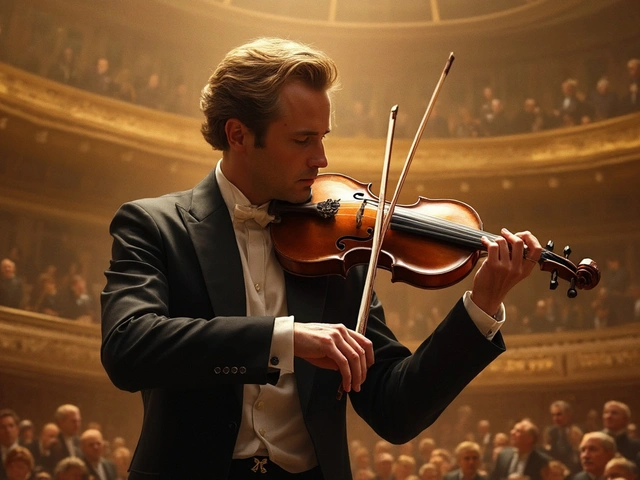
Classical concerts are the oldest formal live music experience still widely practiced. They usually take place in concert halls with excellent acoustics-places like the Wellington Town Hall or Vienna’s Musikverein. The audience sits quietly, phones are off, and applause happens only between movements or at the end of a full piece. There’s no talking, no standing, and no phone recordings. The performers wear formal attire, and the conductor leads with precision.
These events feature orchestras, chamber groups, or soloists playing works by composers like Beethoven, Mozart, or Tchaikovsky. A typical program includes a symphony, a concerto, and an overture. The experience is about focus, tradition, and emotional depth. You don’t go to a classical concert to dance-you go to listen deeply.
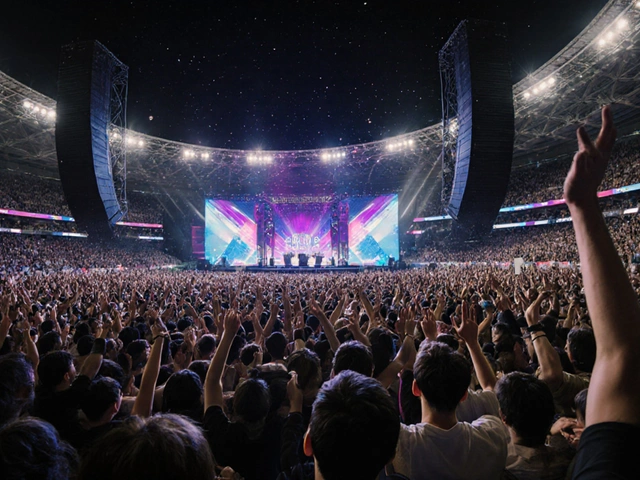
Rock and pop concerts are high-energy events built for excitement. Think of arenas packed with thousands, stage lights flashing, bass shaking your chest, and crowds singing every word back at the artist. These shows are designed to be immersive, theatrical, and loud. Bands like Coldplay, Taylor Swift, or Foo Fighters use elaborate sets, pyrotechnics, video screens, and choreographed movements.
Unlike classical concerts, audiences move, scream, jump, and sometimes even mosh. Merch stands sell T-shirts and posters, and the setlist is often built around hits-songs people know by heart. The goal isn’t subtlety; it’s connection through shared energy. Many rock and pop tours now include surprise guest appearances, rare deep cuts, or acoustic interludes to keep things fresh.
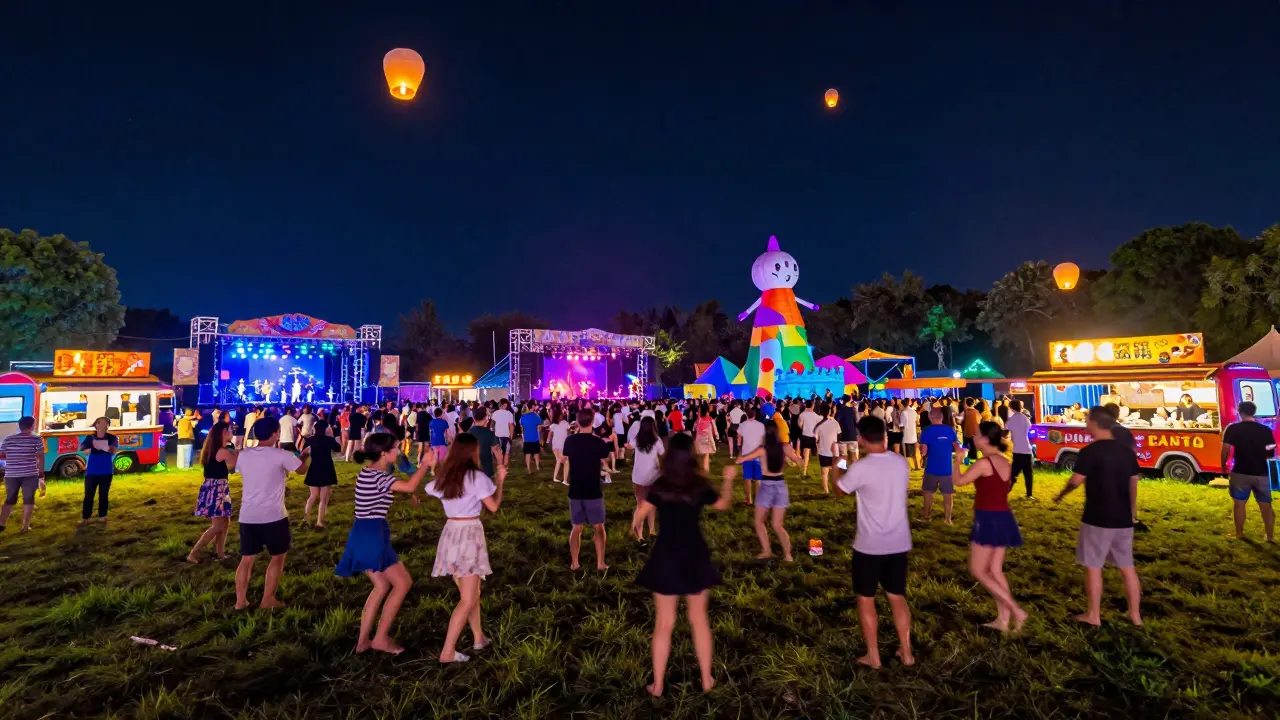
Festival concerts are multi-day, multi-artist events that turn music into a cultural experience. Think Glastonbury, Coachella, or New Zealand’s Rhythm & Vines. These aren’t just concerts-they’re temporary cities with food trucks, art installations, camping areas, and multiple stages playing different genres at once.
At a festival, you might see a hip-hop act at noon, an indie folk band at 4 p.m., and a techno DJ at midnight. The vibe is casual, communal, and often unpredictable. You don’t just come for one artist-you come for the whole atmosphere. Festivals thrive on discovery. You might go for your favorite band and end up falling in love with a new artist you’ve never heard before.
Outdoor concerts blend the intimacy of live music with the freedom of nature. They happen in parks, beaches, botanical gardens, or even on the decks of ships. Wellington’s Summer City series, for example, brings free performances to the waterfront every January. These events are often more relaxed than indoor shows.
People bring blankets, picnics, and sometimes wine. Kids run around. Dogs sit quietly beside their owners. The sound system is tuned to blend with the environment-not overpower it. Artists performing outdoors often adapt their sets: lighter arrangements, acoustic versions, or shorter sets to match the mood. The weather matters. A sudden rain can turn a concert into a magical, shared moment-or cancel it entirely.
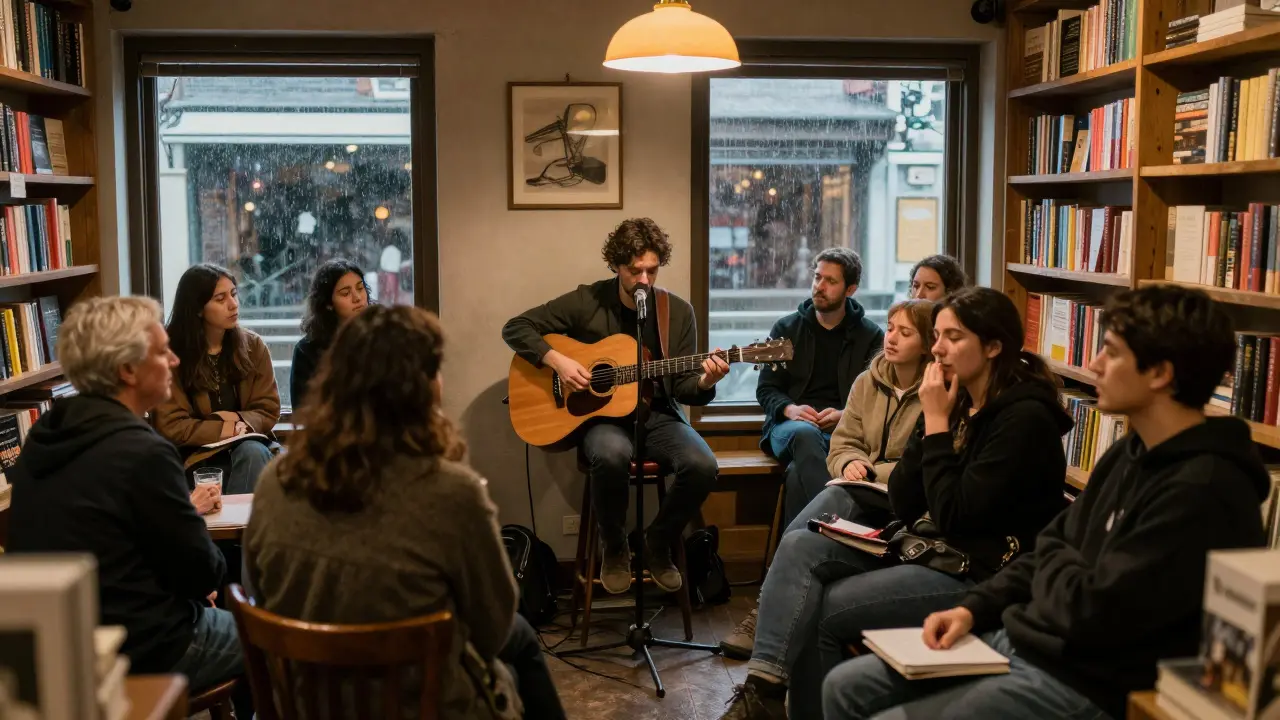
Acoustic concerts strip everything back. No drums. No amplifiers. Just a singer and a guitar, or maybe a piano and a cello. These shows happen in small venues-bookstores, coffee shops, libraries, or living rooms. Think of a songwriter playing in a room with 50 people, all leaning in to catch every lyric.
The magic here is in the vulnerability. You hear breath between notes. You hear fingers slide on strings. You hear the artist laugh or stumble and keep going. Artists like Bon Iver, Phoebe Bridgers, or local New Zealand acts like Lorde in her early days have played these kinds of shows. They’re rare, often ticketed through small platforms, and sometimes announced with no warning. If you get invited to one, consider yourself lucky.
These are orchestral performances of music from movies, video games, or TV shows. Imagine hearing the Star Wars theme played live while clips from the film roll on a giant screen behind the orchestra. Or reliving the emotional peaks of The Lord of the Rings with a full symphony bringing every swell of the score to life.
These concerts attract both film fans and classical music lovers. They’re often family-friendly and introduce younger audiences to orchestral music in a way that feels familiar. The Auckland Philharmonia has performed Harry Potter and Game of Thrones concerts to sold-out crowds. The experience is cinematic-but real. You feel the music vibrating in your bones because it’s being made right in front of you.
These are the hidden gems of the live music scene. They happen in basements, warehouses, or tiny bars with no sign outside. Genres include experimental electronic, noise, jazz improvisation, or indie rock bands just starting out. The crowd is small-maybe 30 people. The sound is raw. The lighting is dim. The vibe is underground.
Artists here aren’t chasing charts; they’re chasing innovation. You might see a musician using modified household objects as instruments or a DJ blending field recordings with glitch beats. These shows are rarely advertised on mainstream platforms. You hear about them through word of mouth, local music blogs, or flyers taped to lampposts. They’re not for everyone-but for those who love discovering music before it’s named, they’re priceless.
Music has always been tied to ritual. In many cultures, concerts aren’t entertainment-they’re prayer. You’ll find these in churches, temples, mosques, or community centers. Examples include Gregorian chants in monasteries, Qawwali performances in Sufi shrines, or Māori haka and waiata performed during formal gatherings.
These events follow strict traditions. The music is passed down orally. The audience doesn’t clap between verses-they listen in silence, sometimes with hands folded or heads bowed. The goal isn’t to impress, but to connect with something larger. In New Zealand, you might attend a pōwhiri (welcome ceremony) where traditional songs are sung to honor guests. These aren’t performances for tourists-they’re living traditions.
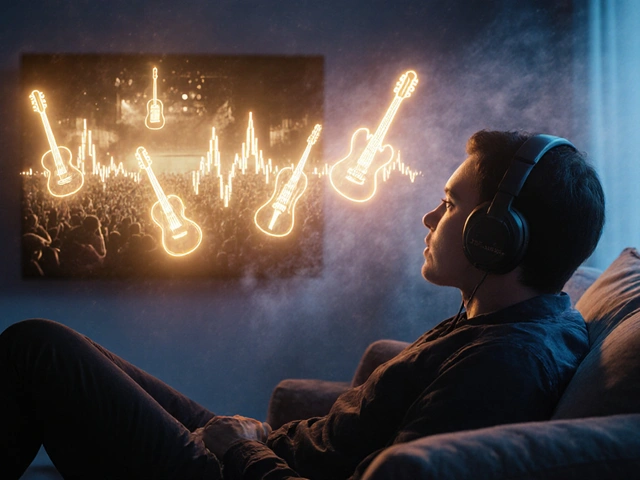
This is the new frontier. Immersive concerts use technology to break the fourth wall. You might walk through a room where sound follows your movement, or wear VR headsets that place you inside the music. Some artists, like Björk or The Weeknd, have created shows where the audience moves through different environments-each room a different song.
Others use augmented reality: you point your phone at the stage and see digital fireworks, floating lyrics, or animated characters dancing with the band. These shows are expensive to produce and still rare, but they’re growing. They’re designed for people who want to not just hear music, but step into it.
Not every concert suits every mood. Here’s how to pick:
Don’t just go because your favorite artist is playing. Ask yourself: What do I need from this experience? Quiet? Energy? Connection? Wonder? The right concert will answer that.
A regular concert features one or two artists performing in a single venue over a few hours. A festival has dozens of artists across multiple stages, lasts multiple days, and includes non-music activities like food, art, and camping. Festivals are about immersion; concerts are about focus.
It depends. Classical and acoustic concerts are usually quiet and kid-friendly if the child can sit still. Rock and festival shows can be too loud or chaotic for young children. Outdoor concerts in parks are often the best middle ground-casual, open space, and usually free. Always check age restrictions and volume warnings before going.
Standing-only concerts are common in rock, pop, and electronic music because they create more energy. Crowds move, dance, and surge together. Seating can break that flow. It’s also cheaper for venues to allow standing-more people fit in the space. If you hate standing, look for reserved seating shows or acoustic sets.
Not always. Many outdoor concerts go on in light rain-people just get wet. Heavy storms, lightning, or strong winds can cause cancellations for safety. Always check the event website or social media the day of. Some festivals even have rain plans with covered stages or indoor backup venues.
There’s no strict dress code anymore, but most people dress neatly-think business casual or smart casual. A nice dress, blouse and pants, or button-down shirt with jeans works. You don’t need a tuxedo or evening gown, but avoid flip-flops, tank tops, or athletic wear. It’s about showing respect for the performance and the space.

Adrienne Temple
I went to my first classical concert last year and I legit cried during the second movement 😭 I didn't even know music could feel like this. So quiet, so deep - like someone whispered my soul’s secrets out loud.
Sandy Dog
OK BUT HAVE YOU EVER BEEN TO A FESTIVAL WHERE IT RAINS AND YOU’RE STANDING IN MUD FOR 12 HOURS WITH A STRANGER’S PIZZA IN YOUR HAND AND THEN YOUR FAVORITE BAND COMES ON AND THE LIGHTS GO OFF AND EVERYONE STARTS SCREAMING LIKE A ZOMBIE APOCALYPSE IS HAPPENING?? 🌧️🎸 I’M STILL RECOVERING. THAT WAS MY LIFE CHANGER. I’VE NEVER FELT SO ALIVE. I WENT HOME AND SOLD MY TV. NO REGRETS.
Nick Rios
I think what’s beautiful about all these formats is how they serve different human needs. Some days you need to scream into a crowd. Other days you need to sit still and let a single note settle into your ribs. No one type is better - just different kinds of healing.
Amanda Harkins
It’s funny how we label concerts like they’re flavors of ice cream. Classical = vanilla. Rock = rocky road. But what if the music isn’t the flavor - what if it’s the mood you’re in that decides what you’re craving? Like, I didn’t go to a festival because I liked EDM. I went because I needed to forget my breakup. And somehow, a guy in a neon mask spinning bass drops did it better than therapy.
Jeanie Watson
So… you’re telling me I don’t need to dress up for classical? Cool. I wore sweatpants to a Taylor Swift show and no one cared. So why do people still act like it’s a funeral if you don’t wear a tie?
Tom Mikota
Wait - you said ‘no phone recordings’ at classical concerts? That’s a myth. I’ve seen 12 people filming the entire Beethoven symphony on their iPhone 15 Pro Max with a tripod. And then posting it on TikTok with ‘this is my vibe’ and a filter. The irony is thick enough to spread on toast.
Mark Tipton
Let’s be honest - the entire ‘classical concert etiquette’ is a capitalist performance designed to exclude working-class audiences. The silence? It’s not reverence - it’s control. The formal attire? A class barrier. The ‘no talking’ rule? It’s how elites maintain cultural dominance. Meanwhile, underground clubs are where real innovation happens - raw, unfiltered, unpoliced. The system wants you to believe Mozart is sacred. He’s just dead. And the living? They’re in basements with broken amps.
Adithya M
Man, I went to a small acoustic show in Delhi last month - 20 people, one mic, no lights. The singer forgot a line, laughed, and just kept going. That moment? More real than any stadium show I’ve ever seen. You don’t need pyrotechnics when the soul is already on fire.
Jessica McGirt
Outdoor concerts are underrated. I brought my 7-year-old to a free jazz performance in the park last summer. He danced barefoot in the grass, ate a popsicle, and fell asleep during the last song. No one shushed him. No one judged. That’s community.
Sibusiso Ernest Masilela
How quaint. You call these ‘concerts.’ I’ve attended a Sufi qawwali in Lahore where the entire congregation wept for three hours straight, not because of the melody - but because the singer channeled divine grief. What you call ‘cultural’ is merely tourism. True ritual doesn’t need a stage - it needs surrender. Your ‘immersive’ VR concerts? A distraction from the sacred. You’re not experiencing music - you’re consuming it like a Netflix binge.
Daniel Kennedy
People forget that the best concerts are the ones you didn’t plan. I once followed a flyer taped to a lamppost in Portland - led me to a warehouse where a guy played a theremin made from a microwave and a radio. No name. No tickets. Just 17 people in the dark, holding hands. That’s the magic. You don’t find it by searching - you stumble into it.
Taylor Hayes
I used to think festivals were just loud and messy. Then I went to one alone after my dad passed. Sat by a stage with a stranger who handed me a blanket and said, ‘You look like you need this.’ We didn’t talk. We just listened. That’s the real connection - not the artist on stage, but the people around you holding space.
Mike Zhong
Every concert is a mirror. Classical? You’re confronting your own stillness. Rock? You’re screaming your rage into the void. Festivals? You’re pretending you belong. The music doesn’t matter - it’s the version of yourself you’re trying to become while it plays.
Johnathan Rhyne
Excuse me, but ‘no seating’ at rock shows? That’s not about energy - it’s about greed. Venues make more money cramming people in like sardines. Also, ‘acoustic’ concerts? Please. Half the time they’re just amplified with a $500 mic and a $2000 PA system. True acoustic means no electricity. No mics. Just voice and wood. You’re not listening to music - you’re listening to marketing.