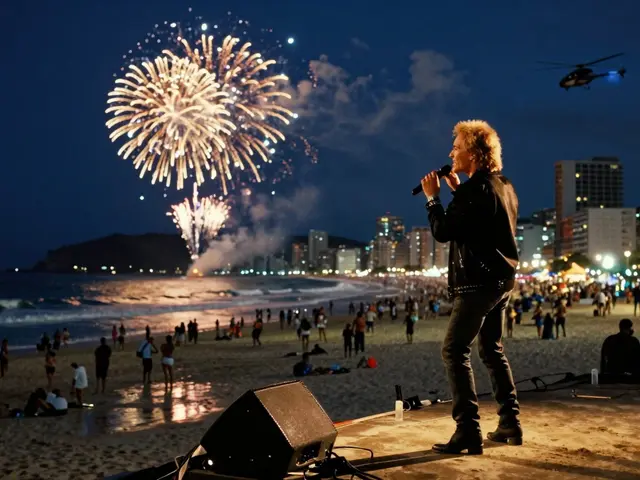

That electric feeling of walking into a dark room while thousands of people hum along to the pre-show noise? There is nothing like it. But finding exactly where that moment happens starts with knowing your options. When you ask where concerts are usually held, the answer isn't just a single address on a map. It ranges from sweaty basement clubs to massive open-air stadiums capable of swallowing entire cities.
Most fans assume big stars only play arenas, but the reality is more textured. The location depends entirely on the scale of the tour, the genre, and even the local laws of the city hosting the event. In my home town of Wellington, we see everything from tiny jazz bars tucked behind bookstores to the Spark Arena handling international headliners. Understanding these distinctions helps you find the right experience, whether you want to be nose-to-nose with the band or enjoy a comfortable seat miles away from the stage.
Venues generally fall into specific tiers based on capacity and infrastructure. Knowing which tier you are aiming for changes your ticket strategy and what you can expect from the night out.
Stadiums are the giants of the circuit.
These are open-air or semi-enclosed structures designed primarily for sports but repurposed for massive concerts. They hold anywhere from 50,000 to 80,000 people. You typically see arena rock legends or global pop superstars here. Think artists who draw tens of millions of streams per song. The production values here are immense, with huge LED screens and flying rigs, though you might struggle to hear a whisper over the PA system.Indoor Arenas
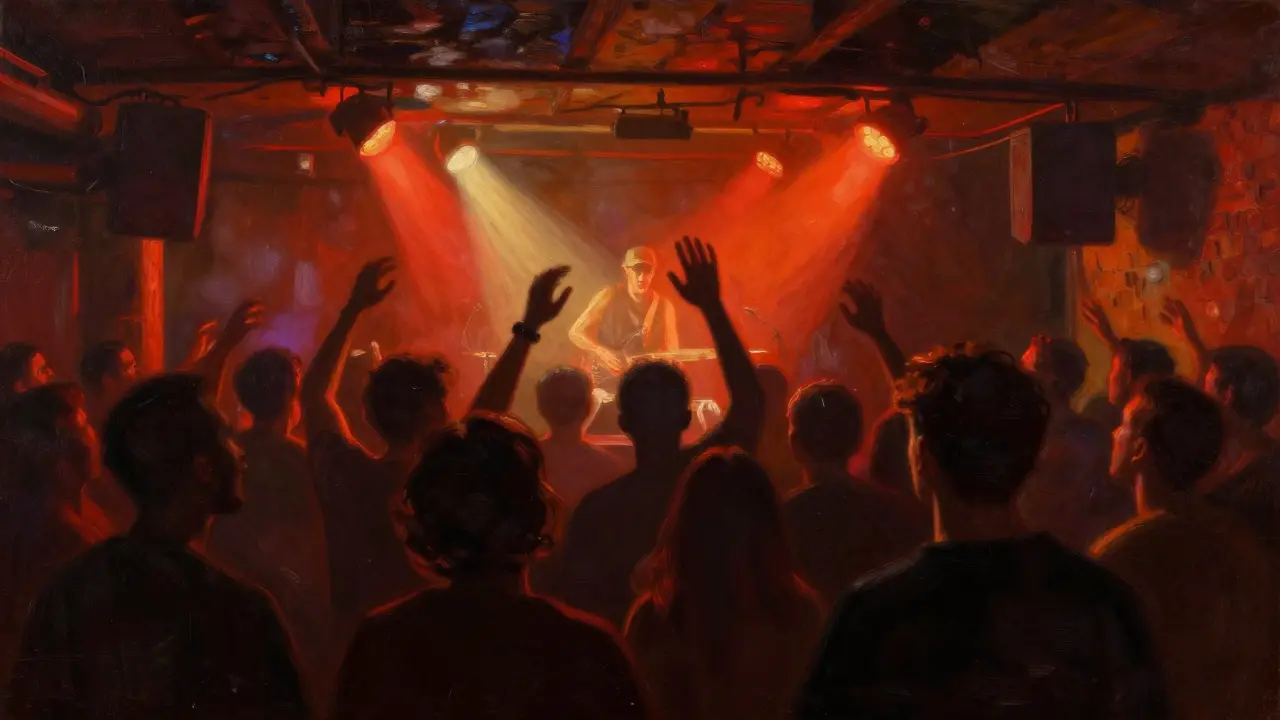
offer a tighter environment. With capacities ranging from 10,000 to 20,000, these are often former basketball palaces or dedicated entertainment centers. This is the sweet spot for top-tier touring acts who don't quite need a stadium yet. The acoustics are usually better controlled than in an open stadium, and the lighting creates a more immersive cave-like atmosphere.Then there are the Live Music Clubs. These range from small bars holding 200 people to larger halls accommodating 2,000. These are where emerging artists build their fanbases. The energy here is raw and loud because the sound engineers push the mix hard to fill the space. If you want to feel the bass in your chest without wearing headphones, this is the place. Genres like punk, indie rock, and hip-hop thrive in this high-energy, close-quarters setting.
Theater stages represent another classic category. Unlike a club, theaters have fixed seating rows and professional acoustics designed for clarity. Musicals and orchestral tributes dominate here, but you'll also find acoustic sets from major artists who want to strip back their performance. The vibe shifts from a rave to a recital hall, requiring the audience to respect the silence between songs.
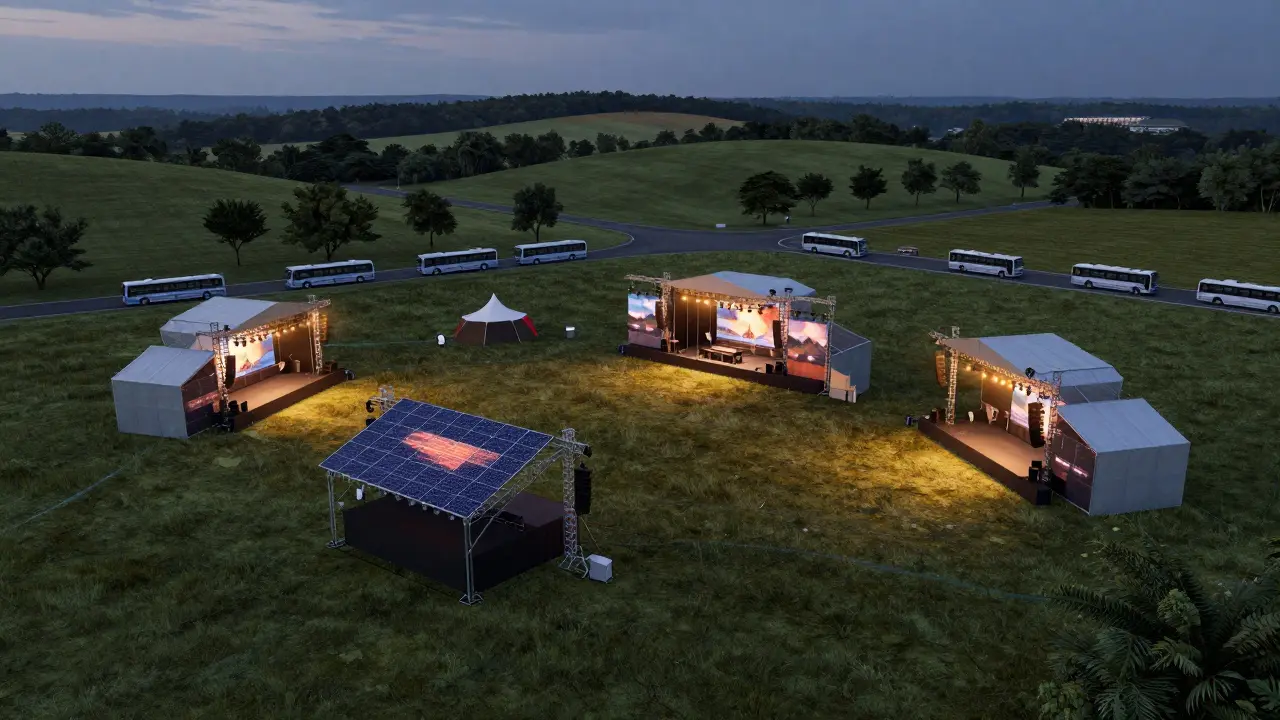
Sometimes, the "where" isn't a building at all. Music festivals utilize temporary ground construction for weekend-long bashes. These require massive permits and safety buffers, which dictates their location. You won't find a ten-day electronic music festival in the middle of a residential suburb. Instead, organizers lease land in agricultural zones, dry riverbeds, or large municipal parks outside the city limits.
These temporary venues offer a unique trade-off. On one hand, you have access to nature and diverse food vendors across acres of grass. On the other hand, you rely entirely on shuttles for transport since personal cars are restricted after a certain hour to prevent gridlock. In 2026, sustainability requirements for these grounds are stricter than ever. Many major festivals now mandate zero-waste policies and solar-powered stage grids, meaning even the temporary structures look surprisingly industrial.
Geography plays a huge role in venue placement. In dense cities like New York, Tokyo, or London, most permanent venues sit in the city center. Real estate costs mean you cannot build a massive complex cheaply, so developers repurpose existing historic buildings. Warehouses become warehouses-turned-clubs; old train stations get converted into multi-room concert halls. This centralization makes getting there via public transit easier, even if parking is nearly impossible.
In sprawling regions, however, the dynamic flips. Many major venues are built near highway interchanges in the suburbs. This allows for vast parking lots that accommodate drive-in crowds. While this reduces travel time for locals with cars, it can be a nightmare if you are relying on buses or trains. Always check the venue website for the "accessibility" page before buying tickets. Some suburban arenas have zero public transit links, forcing you to pay expensive private shuttle rates on the night of the show.
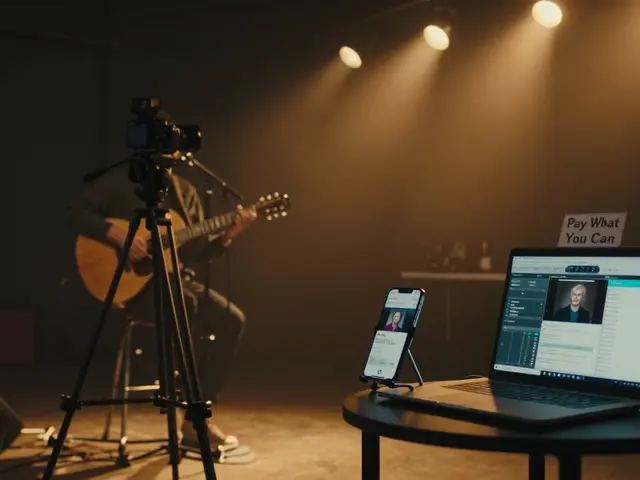
Finding a gig near you doesn't happen by accident anymore. Algorithms do the heavy lifting. Aggregator sites scrape data from hundreds of sources to build a "near me" feed. You enter your zip code or select a favorite band, and the platform pulls up available dates within a reasonable driving radius.
However, official venue calendars remain the gold standard for accuracy. Third-party apps sometimes sell tickets for ghost events-dates listed that haven't been officially confirmed. To avoid this risk, go directly to the source. If you love live country music, bookmark the website of the biggest country venue in your region. If you prefer underground electronic beats, subscribe to the newsletter of the local warehouse club. These channels release information days or weeks before the public sale.
| Venue Type | Typical Capacity | Ideal For | Atmosphere |
|---|---|---|---|
| Stadium | 50,000+ pax | Global Superstars | Epic, Visual Spectacle |
| Arena | 10,000 - 20,000 pax | Major Touring Acts | Immersive, Professional |
| Music Club | 200 - 2,000 pax | New Talent, Rock | Rough, High Energy |
| Theater | 500 - 3,000 pax | Acoustic, Musicals | Quiet, Intimate |
| Festival Ground | Varied | Multiple Genres | Community, Camping Vibe |
Security protocols define your entry experience regardless of where the concert is. Indoor arenas use metal detectors and bag checks similar to airports, whereas outdoor festivals rely on perimeter security and roving patrols. One key difference in recent years is the ban on re-entry at almost all major venues. Once you leave, the ticket is void. This rule impacts families especially, so plan accordingly.
Accessibility features vary wildly. Modern arenas built post-2010 usually comply with strict ADA or similar regulations regarding ramps and designated wheelchair sections. Older converted clubs, particularly those in heritage buildings, often lack elevators. This means the upper viewing platforms are unreachable for mobility-challenged patrons. Always call ahead to confirm if the specific layout accommodates your needs.
The show isn't the only event happening that night. The immediate neighborhood of any venue often transforms into an overflow party zone. Bars and restaurants within a five-minute walk of the doors ramp up their staff and hours on show nights. This creates a vibrant culture of pre-show meals and post-show debriefs. Just be aware that police presence increases in these areas due to overcrowding and drunk behavior.
If you plan to stay out until dawn, look for nearby hotels or hostels that cater to "roadie" crews and late-night attendees. They often offer discounted hourly parking or overnight stays specifically for concert-goers. In cities with active nightlife districts, you might find the best deals on accommodation by booking a room two streets away from the venue itself, where prices skyrocket during sold-out weekends.
Your musical taste heavily influences your venue selection. Hip-hop and EDM performances often favor warehouses or clubs with standing-floor layouts to encourage dancing and mosh pits. Classical and Jazz usually dictate theater settings where silence is part of the contract. Country and Folk tend to lean toward barn-style venues or amphitheaters that simulate a backyard party feel.
Don't force yourself into a bad fit. Going to a stadium show for an intimate singer-songwriter act might leave you bored and unable to see facial expressions clearly. Conversely, bringing children to a late-night punk gig at a smoke-filled club is unlikely to end well. Match the venue size to the artist's style to ensure the experience matches your expectations.
Yes, unless you are in a very small bar setting where you buy drinks to cover admission. Most formal venues (arenas, theaters) require a wristband or scannable ticket for initial entry and will not let you re-enter once you exit the security perimeter.
Absolutely. Amphitheaters and festival grounds operate outdoors. However, weather cancellations are common risks. If rain threatens a tent show, organizers may suspend the event, but refunds aren't always guaranteed depending on insurance terms.
It varies. General admission standing floors usually forbid folding chairs as trip hazards. Seated balcony tickets provide your own fold-down seat, which you shouldn't remove from its bracket. Always check the venue bag policy beforehand.
It depends on the city size. In megacities, many venues are downtown. In medium-sized towns, larger arenas are often located just off major highways on the outskirts to allow for ample parking space.
Official venue calendars are the most reliable source. Apps like Songkick or Bandsintown aggregate this data effectively, sending alerts when a favorite artist announces a date near your location.
Finding the perfect concert spot is part of the adventure. Whether you end up packed into a sweat-box club or spread out in a luxury suite at the stadium, the goal remains the same: connecting with the music in person. Knowing the lay of the land ensures you spend less time worrying about traffic and more time enjoying the setlist.


Ian Cassidy
The rigging specs on modern stadiums allow for heavier loads than before.
Sound engineers need to account for the PA system weight distribution carefully.
Bass frequencies often bleed into adjacent seating sections easily.
We notice the acoustics vary depending on the ceiling height too.
It requires precise calibration during the setup phase always.
Zach Beggs
Logistics play a bigger role than most fans realize initially.
Transport infrastructure defines the audience capacity limits effectively.
Public transit access makes a huge difference for attendance numbers.
Sandy Dog
It is honestly frustrating when the organizers forget basic planning details completely.
We drove three hours just to park in a lot that was muddy.
Traffic was absolute hell that night beyond any expectation.
I remember sitting in the car for ages watching rain pour down hard.
Then we finally reached the security gate after waiting in line.
The metal detector line took forever to move forward slowly.
People were complaining about the wait time constantly around us.
You can tell when the event planning lacks sufficient resources entirely.
Sometimes the show isn't even worth the hassle caused outside.
My ears were ringing by the intermission break due to noise.
The sound system was clearly miscalibrated again for the main arena space.
I wanted to find a quiet spot to breathe fresh air inside.
But the crowd density made that impossible entirely in that zone.
Next time I am definitely choosing a smaller theater setting instead.
Peace of mind matters more than stage production value for me.
Kenny Stockman
Keep the vibes positive regardless of the venue size.
Smaller clubs offer unique energy that big halls miss out on sometimes.
Finding good spots early makes the experience much smoother overall.
Everyone deserves a chance to see their favorite artists live safely.
Safety protocols should never compromise the fun aspect either way.
Communication between staff and guests improves the flow significantly.
Aaron Elliott
The ontological significance of intimate performance spaces cannot be overstated in discourse.
One must consider the imperatives of social interaction within confined auditory environments.
There exists a fundamental hierarchy of spatial engagement in these scenarios.
Understanding the context changes how one perceives the art.
Ben De Keersmaecker
Accurate data regarding accessibility features remains critical for attendees.
Most newer facilities comply with regulations while older ones struggle.
Checking official calendars prevents issues with ghost events later.
Direct verification avoids purchasing invalid entry credentials.
Chris Heffron
Double checking is always the safest bet to go :).
I hope the lines are shorter next season hopefully.
Enjoying the music is still the most important thing!).
Adrienne Temple
This guide really helped me understand the layout differences better now.
Paritosh Bhagat
Spelling conventions influence how readers process technical information quickly.
Consistent verb tenses maintain clarity throughout the explanation sections.
Precision ensures the advice applies to various venue contexts.
Readers appreciate concise and grammatically correct explanations generally.
Ronak Khandelwal
Festivals bring such amazing community vibes for everyone 🎉.
The temporary grounds really change the whole atmosphere of the event 🌍.
Sustainable practices being implemented now are truly impressive 🌱.
Seeing solar grids at these sites feels like the future 🚀.
We should prioritize green energy choices for concerts.