

Ever sat in a packed stadium, lights dimming, the crowd buzzing, and wondered - who organizes a concert? It’s not just the artist on stage. Behind every great live show is a web of people, companies, and systems working in perfect chaos. Most people think promoters or venues handle it all. But the truth? It’s a team effort - and each role matters just as much as the last note played.
The promoter is the person or company that takes the biggest financial risk. They’re the ones who sign the contract with the artist or their management team, pay the upfront costs, and hope the ticket sales cover everything - plus profit. Promoters don’t just book acts; they decide where, when, and how big the show should be. A small club show? A 50,000-seat stadium tour? That call starts with the promoter.
In New Zealand, companies like Live Nation NZ and Festival Republic handle most major tours. They’ve got the relationships with international acts, the logistics muscle, and the marketing budgets to pull off big events. But smaller promoters still thrive - local bands touring the South Island? That’s often handled by indie promoters like Soundwave Events or The Basement Collective. These folks might not have millions in backing, but they know their scene inside out.
The venue isn’t just where the concert happens - it’s a partner. Venues like Spark Arena in Auckland, Michael Fowler Centre in Wellington, or The Powerstation in Auckland don’t just rent out space. They provide stage rigs, sound systems, security, ushers, cleaning crews, and sometimes even catering. Many venues have in-house production teams that handle lighting, soundchecks, and backstage logistics.
For smaller venues, the owner often wears multiple hats: booker, ticket seller, bar manager, and safety officer. A local pub hosting a Friday night gig? The owner likely negotiated the deal, set the door price, arranged for a PA system, and called the police if things got rowdy.
Ever notice how the lighting syncs perfectly with the bass drop? Or how the stage lifts mid-song? That’s not magic - it’s production design. Production companies like Stageco, PRG, or local firms like StageCraft NZ handle everything technical: stages, lighting rigs, video screens, pyrotechnics, and even special effects like fog machines or confetti cannons.
They work directly with the artist’s tour manager to build a show that matches the album’s vibe. A rock band might need a 30-foot LED wall and 20 moving lights. A classical orchestra? They need acoustics tuned to the room, piano lifts, and no amplifiers. The production team doesn’t just set up gear - they engineer the entire sensory experience.
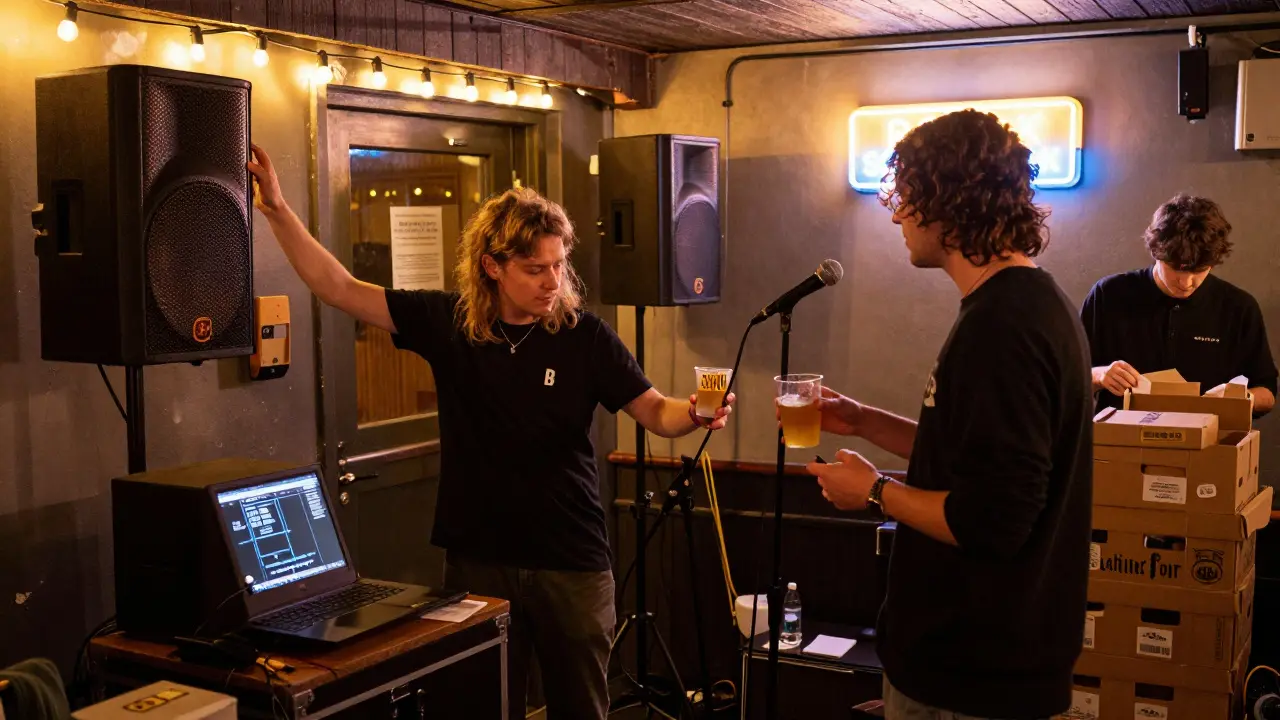
If the promoter is the CEO and the production crew are the engineers, the tour manager is the field general. They’re on the road with the band, handling schedules, transportation, hotel bookings, rider requests (yes, that weird list of snacks and equipment the artist demands), and emergency fixes. One tour manager in Wellington told me: "If the lead singer’s custom guitar pedal breaks at 11 p.m. before the show, I’m the one who finds a replacement - or builds one out of duct tape and hope."
Tour managers coordinate with promoters, venues, and local crews. They know which cities have reliable freight handlers, which hotels let you bring in a 500-pound drum kit, and which local technicians can fix a broken monitor in 15 minutes.
The artist doesn’t book their own shows. That’s the job of their booking agent - usually part of a larger management team. Agents work with promoters to schedule dates, negotiate fees, and ensure the tour fits the artist’s brand and calendar. A major act might have 10 agents across continents, each handling a region. For indie artists, the manager might be one person juggling bookings, merch, and social media.
Agents don’t just care about money. They care about audience fit. Would a metal band playing a jazz club work? Probably not. Would a folk singer playing a 20,000-seat arena? Maybe - if they’ve got the fanbase. Agents use data: past ticket sales, streaming numbers, social reach. They’re part data analyst, part psychologist.
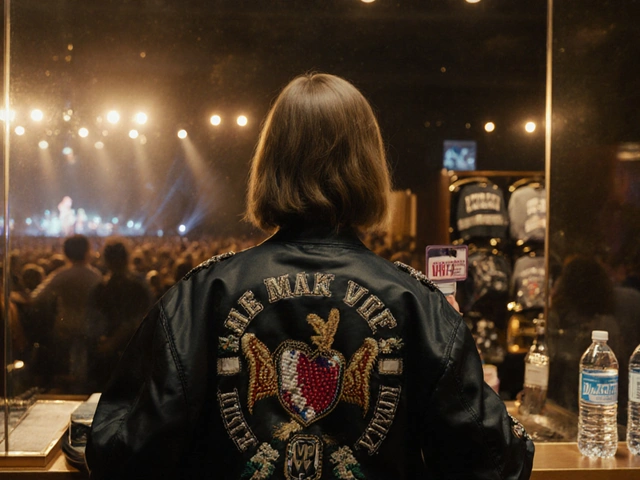
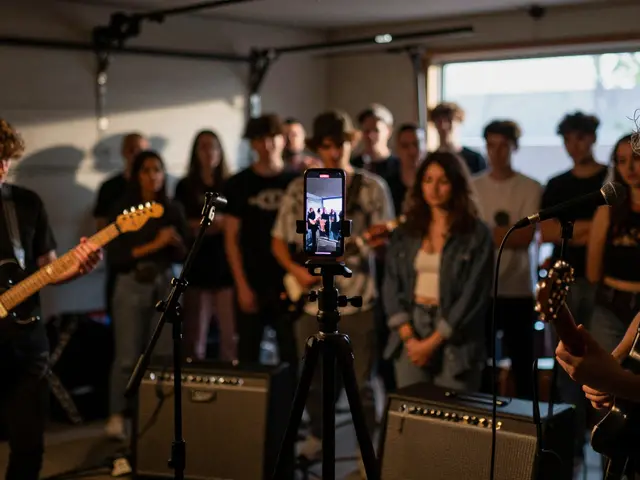
Every concert needs people to unload trucks, set up chairs, run cables, check IDs, hand out programs, and clean up after 10,000 people leave. These are local crew members - often freelance, unionized, or hired through event staffing agencies.
In Wellington, you’ll find the same faces at every show: the guy who’s been rigging lights since 2008, the woman who runs the merch table and knows every fan’s name, the sound tech who calibrates the system so the bass doesn’t rattle the windows. They’re paid hourly, work long nights, and rarely get credit. But without them, the concert doesn’t happen.
Who pays for the giant LED screens or the free water stations? Often, sponsors. A beer brand might fund the bar. A mobile carrier might sponsor the Wi-Fi. A car company might give away free rides to the venue. These partnerships help cover costs - and sometimes even boost ticket sales.
But it’s not just about money. Sponsors also bring marketing power. A well-placed logo on a stage curtain can mean exposure to millions. For smaller events, local businesses - a coffee shop, a record store, a skateboard brand - often step in. That’s how grassroots tours stay alive.
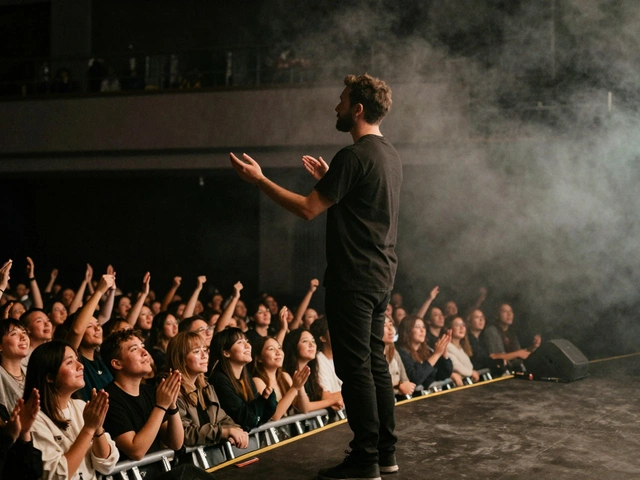
Concerts aren’t just performances. They’re complex, high-stakes events that require precision, timing, and trust. One missed cue, one broken cable, one delayed truck - and the whole show can collapse. The people behind it don’t get applause. But they’re the reason you got to hear your favorite song live.
Next time you’re at a show, look around. The guy checking tickets? The tech adjusting a mic? The van driver unloading gear at 3 a.m.? They’re all part of the same machine. And without any one of them, the music wouldn’t play.
The concert promoter typically covers upfront costs - including artist fees, venue rental, production, security, and marketing. They get paid back through ticket sales. If sales don’t cover costs, they lose money. Sponsors may help offset expenses, and sometimes venues contribute equipment or staff. For very small shows, the artist or local business might cover costs directly.
Yes, but it’s rare for anything beyond small local gigs. Independent artists sometimes self-book shows using platforms like Bandcamp or local venues. They handle promotion, tickets, and logistics themselves. But for tours, especially international ones, they rely on professional promoters and managers because the scale, legal requirements, and logistics are too complex to manage alone.
Yes, but not always directly. Venues usually charge a rental fee or take a percentage of ticket sales. Many also profit from bar sales, merch space rentals, and parking fees. Some venues, especially large ones, make more money from hosting multiple events per month than from any single concert. For smaller venues, a single show might be their main income for the month.
Major tours are planned 12 to 24 months ahead. Promoters negotiate with artists’ teams, secure venues, and lock in production schedules early. Local gigs might be booked just 2 to 6 weeks in advance. Festival lineups? Often announced a year ahead. The earlier the booking, the more likely you’ll get the venue and crew you want.
The booking agent works for the artist and finds venues and promoters to book shows. The promoter works for the venue or event and pays to bring the artist in. The agent says, "This band should play in Christchurch." The promoter says, "I’ll pay $50,000 to make it happen." They’re on opposite sides of the same deal.

Tonya Trottman
So many people think the artist is the whole show, but honestly? It’s the guy in the back with the duct tape and a flashlight fixing a broken monitor at 11 p.m. that keeps it alive. I’ve seen it. I’ve been that guy. No one claps for him. He doesn’t get a shoutout. But without him? The whole thing falls apart like a cheap tent in a hurricane.
Rocky Wyatt
I cried the first time I realized the sound tech was the one who made my favorite song sound like heaven instead of a dumpster fire. Not the singer. Not the lyrics. The guy who spent three hours tuning a mic because the room had a weird echo. That’s art. That’s love. That’s the real magic.
Santhosh Santhosh
What struck me most was how deeply local every element of a concert is. The crew, the bar staff, the guy who brings the extra cables in his beat-up van-he’s not just a worker. He’s part of the city’s rhythm. In Delhi, we have this one sound engineer who’s been doing underground gigs since the 90s. He doesn’t have a website. He doesn’t post on Instagram. But if you want a bass that hits like a heartbeat, you call him. No one else can do it. That’s the soul of live music.
Veera Mavalwala
Let me tell you something about promoters-they’re not just businessmen in suits. They’re the ones who stayed up until 4 a.m. arguing with a venue manager because the artist’s rider demanded organic kale chips and a private sauna. And then they paid for it out of pocket because they knew that one weird request was the difference between a legendary show and a forgettable one. The art isn’t just on stage-it’s in the absurd, beautiful, chaotic details nobody sees.
Ray Htoo
I love how the article highlights that it’s not about who gets the spotlight-it’s about who makes the spotlight possible. I’ve been to shows where the lighting designer changed the whole mood of a song just by shifting a color. One moment it’s blue, melancholic, and haunting. The next, it’s gold, explosive, euphoric. That’s not luck. That’s craftsmanship. And it’s invisible unless you’re looking for it.
Natasha Madison
Who really owns the venue? The city? The corporation? Or is it the government quietly pushing private promoters to do their dirty work so they don’t have to pay for security? I’ve seen the contracts. They’re buried in legalese. And the local crew? They’re paid in cash, no benefits, no overtime. This isn’t music. It’s a system designed to exploit people who love it.
Sheila Alston
It’s so sad how we glorify the artist and forget the people who make it possible. The stagehand who lifts the drum kit? The woman who cleans the vomit off the floor after the show? They deserve more than silence. They deserve to be named. They deserve to be thanked. And if you don’t think that matters, you’ve never been the one cleaning up after 10,000 people left their trash and their tears behind.
sampa Karjee
The notion that indie promoters ‘know their scene inside out’ is a romanticized delusion. Most are amateurs with a Facebook page and a borrowed PA system. Real music infrastructure requires capital, legal structures, insurance, and unionized labor-not ‘passion.’ What we call ‘grit’ is often just economic precarity masquerading as authenticity. If you want to preserve live music, stop glorifying poverty.
Patrick Sieber
My mate worked on a tour in Dublin last year. He was the guy who carried the backup amps in a rented hatchback. Got paid €120 a day. Slept in the van. But he said the best part? Hearing the crowd scream when the lights came up. He didn’t care if his name was on the poster. He just wanted the music to hit right. That’s the real deal.
Kieran Danagher
They say the promoter takes the biggest risk. But the real risk? The local sound tech who spends three days building a custom rig for a band that cancels two days before the show. No pay. No refund. Just a broken back and a stack of unpaid bills. That’s the hidden cost of live music. And no one talks about it.
OONAGH Ffrench
The concert is a moment. The work is a lifetime. The lights go up. The music plays. The crowd forgets. The crew goes home. And tomorrow? They do it again for someone else. No fan knows their name. No review mentions them. But the music wouldn’t exist without them. Simple. Quiet. True.