Woodstock 1969: The Music Festival That Changed Live Events Forever
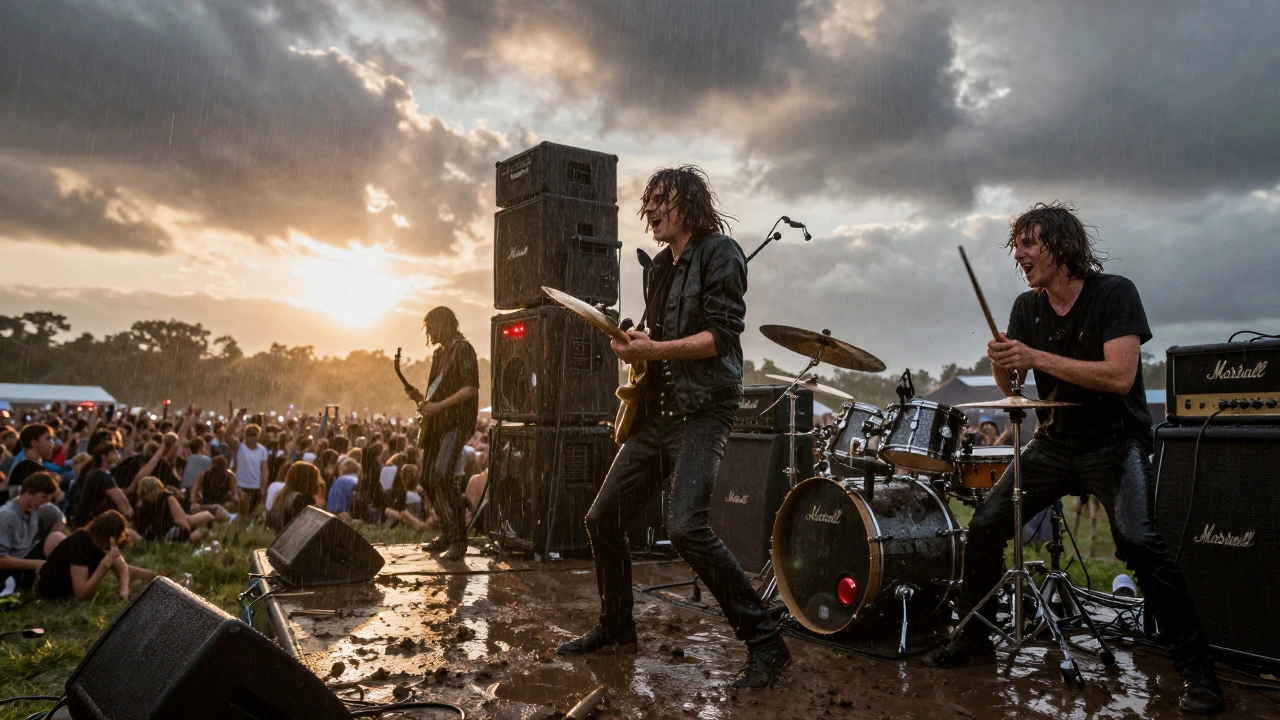
When you think of Woodstock 1969, a historic music festival held in Bethel, New York, that became the defining moment of 1960s counterculture. Also known as the Woodstock Music & Art Fair, it wasn't just a concert—it was a movement. Over 400,000 people showed up for three days of rain, mud, and music, with no tickets left to sell, no security, and no plan. And somehow, it worked. No riots. No major injuries. Just music, community, and a shared belief that something bigger was happening.
This wasn't just a lineup of artists—it was a music festival, a multi-day, open-air event featuring multiple performers, camping, and a sense of collective experience. Also known as a rock festival, it set the template for every big event since. Bands like Jimi Hendrix, Janis Joplin, and Santana didn’t just play songs—they performed for a crowd that felt like family. The counterculture, a social movement rejecting mainstream norms, especially around war, consumerism, and authority. Also known as the hippie movement, it found its loudest voice at Woodstock. The festival became proof that peace and music could hold a crowd together, even when everything else fell apart.
Today, every music festival—from Coachella to Glastonbury—carries a piece of Woodstock’s DNA. The free spirit, the DIY energy, the idea that music can bring people together beyond money or status. That’s why people still talk about it. Not because of the weather, or the mud, or even the legendary performances—but because it proved that a massive gathering could be peaceful, meaningful, and alive with purpose.
Below, you’ll find real stories, deep dives, and honest takes on what made Woodstock 1969 unforgettable—and how its legacy still shapes how we experience live music today. Whether you’re curious about the artists who played, the crowd that showed up, or how it changed the business of concerts, you’ll find it here.