

Imagine scrolling through your favorite app to find tickets for a sold-out tour. You see a listing on SeatGeek priced at $150. You quickly switch tabs to check the official box office or a rival marketplace. There, the same seat category is listed for $300. Your brain immediately fires off alarm bells. How can this be possible? Is this a mistake, a scam, or something else entirely? The secondary ticket market is a complex ecosystem filled with resellers, dynamic pricing algorithms, and varying fee structures.
We’ve all heard stories of getting ripped off online or receiving invalid codes at the gate. When a platform advertises prices significantly lower than the competition, skepticism is healthy. However, understanding the mechanics behind why these platforms exist helps you decide if the savings are worth the risk. This isn't about guessing; it's about understanding the business models that drive those numbers on your screen.
To understand the pricing gap, you first need to grasp the distinction between the two major types of ticket selling. The primary market is where tickets are sold initially directly by the artist, venue, or their authorized partner. For most major tours, this means the official website, powered by giants like Ticketmaster or Live Nation.
When you buy from the primary source, the face value reflects what the promoter set. If demand exceeds supply, they employ dynamic pricing, which can skyrocket costs instantly. Conversely, the secondary market is where resale happens. Here, individuals or professional brokers sell tickets they no longer want. SeatGeek operates primarily here. They act as an aggregator, pulling inventory from various sources including verified individual sellers and professional ticket holders.
Why does this affect price? Professional sellers in the secondary market often work on volume. Instead of holding onto a ticket hoping for the maximum possible profit, they might prefer a quick sale with a smaller margin. By clearing inventory faster, they minimize storage risks and secure cash flow sooner. This willingness to move product at a lower premium is often reflected in the listings you see.
The architecture of the site itself plays a role. Unlike older classified sites that relied on phone calls or email transactions, modern platforms automate the entire process. This reduces overhead costs for the operators. When the platform spends less on maintaining physical call centers or manual verification teams, some of those savings can be passed down or absorbed into the service fee structure rather than the ticket price itself.
Additionally, a comprehensive ticket marketplace that connects fans with sellers benefits from economies of scale. As millions of users browse, data becomes king. The company gains insights into exactly when demand peaks and when sellers panic. If a seller lists a high-price item and it sits unsold for weeks, the algorithm nudges them to drop the price to stay competitive. On other platforms that lack this level of aggressive algorithmic matching, stale listings might sit at inflated prices simply because the seller is stubborn. The automated negotiation tools encourage liquidity over stagnation.
You might see a base price that looks incredible, only to be hit with a massive surcharge at checkout. This is a common frustration across the industry. The term "low price" often refers to the face value of the ticket, excluding mandatory service charges. It is crucial to differentiate between the ticket cost and the convenience fee.
Seller fees on these platforms typically cover payment processing, account maintenance, and fraud protection. However, buyer fees are separate. Some marketplaces bundle everything into one price (a "fan-friendly" approach), while others add percentage-based service fees plus fixed facility charges at the very end of the transaction. If you compare listings, always look at the final total before taxes, not just the per-ticket rate shown in the search results.
Here is a breakdown of typical costs you might encounter:
While the initial displayed price might be lower on SeatGeek, the final amount could converge closer to competitors once these hidden layers are added. Transparency in pricing has been a push in recent years, yet industry standards vary.

No single platform holds a monopoly. Depending on the event, different venues may favor different vendors. A local stadium might have a partnership with a global giant, while a music festival might rely heavily on independent aggregators. Understanding the strengths of each player helps you choose the right tool for the job.
| Platform | Primary Inventory | Typical Fees | Guarantee Level |
|---|---|---|---|
| Ticketmaster | High | Moderate to High | Industry Standard |
| StubHub | Medium | Higher at Checkout | Top Tier Protection |
| Vivid Seats | Low | Varies Widely | Strong Guarantee |
| SeatGeek | Low (Mostly Resale) | Competitive/Fixed Options | FanProtect Guarantee |
A key differentiator is the FanProtect Guarantee. This policy ensures that if your ticket doesn't work, you get compensated. It covers situations where a seller misrepresents the location, sends duplicate copies, or fails to deliver. While most reputable sites offer some form of protection, the ease of claim processing varies. Reading the terms of service regarding compensation caps is vital.
Buying from a resale marketplace introduces variables that aren't present at the box office. You are purchasing a product that someone else owns. Sometimes, a seller lists a ticket that was stolen or obtained fraudulently. Reputable platforms fight this, but vigilance is required on your end.
Digital transfer capabilities have largely solved the issue of physical mail fraud. With the rise of mobile entry systems and NFC handsets, tickets now live in your wallet app until the gate scans them. This shift makes transferring ownership seamless but also requires immediate action after purchase. Waiting until the night of the show can sometimes mean missing the optimal window for the seller to send the file.
Another risk involves dynamic inventory management. Sometimes a listing disappears right before the show. This isn't necessarily malicious; it often means the seller found a better offer elsewhere or decided to attend themselves. Because the supply pool is fluid, relying on a "wait and see" strategy for last-minute deals is risky. Availability fluctuates wildly based on external factors like weather reports for outdoor festivals or sudden lineup changes.
There is also the psychological aspect. Seeing a deal creates urgency. This triggers impulse behavior. Always pause and check the seating map. Occasionally, sellers list "group tickets" that might be split rows, meaning your group won't sit together. Clarify row alignment details before clicking the button.

If you are comfortable navigating this landscape, you can leverage it to save significant money. Patience is the most valuable currency you possess. Prices for popular events often follow a U-shaped curve: they start high during presale, drop slightly mid-cycle as sellers realize demand is lower than anticipated, and then shoot up again in the final 48 hours.
Using price alerts is another effective tactic. Set parameters for your target seat section and maximum budget. The system notifies you the moment a listing hits your criteria. This saves time manually refreshing pages.
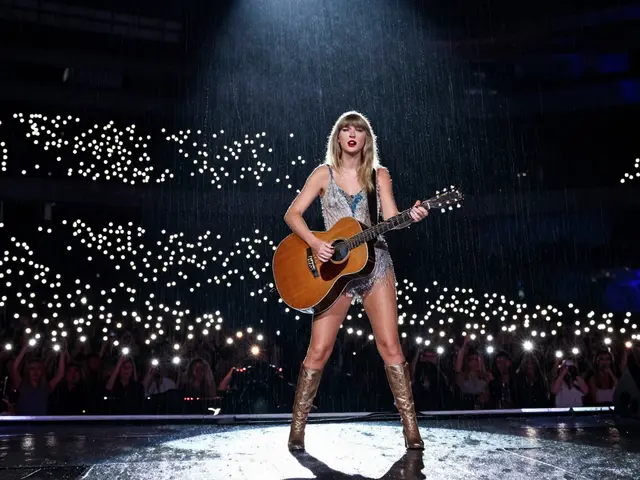
Always inspect the venue layout. A cheaper price might apply to obstructed view sections or far-back nosebleeds. Comparing the visual sightline on the official venue map against the screenshot provided by the seller gives you peace of mind. If you are attending a large arena show like a Taylor Swift concert, legibility from row Z matters more than saving ten dollars.
Keep track of your purchase method too. Using gift cards or prepaid options can sometimes obscure fees slightly or lock in exchange rates if you are traveling internationally. If you live outside the United States, currency conversion fees might eat into your perceived savings.
The market continues to evolve rapidly. Blockchain technology and non-fungible tokens (NFTs) were heavily discussed as a way to verify ownership and reduce scalping. While adoption remains mixed, some festivals now use NFT-based tickets to prevent fraud. These developments aim to stabilize pricing and make it harder for bad actors to manipulate the market.
Regulation is another factor. Legislation in various states and countries has changed how much a reseller can charge above face value. Some locations cap markup at zero, effectively banning resale for certain events. Knowing where you are legally standing protects both buyer and seller.
Ultimately, the question isn't just whether the price is low, but whether the value delivered matches the cost. If you get in the door, have a good experience, and enjoy the show, the method of purchase matters less than the outcome. However, entering the transaction with eyes open prevents regret.
Yes, generally speaking. They utilize the FanProtect Guarantee, which replaces invalid tickets and ensures entry. Like any resale platform, you should still review seller ratings and read the terms.
Not always. If tickets are in high demand, resale prices often exceed face value. SeatGeek tends to offer better deals during periods of low demand or closer to the event date when sellers rush to liquidate inventory.
Expect service charges, facility fees, and processing fees added at checkout. These are rarely included in the headline search result number.
Resale tickets are typically non-refundable once purchased. Unless a cancellation occurs due to the event being cancelled, your funds are committed. Always buy travel insurance if your plans are uncertain.
Reputable marketplaces vet the seller beforehand. Additionally, the guarantee ensures that if a ticket turns out to be invalid at the gate, you receive financial reimbursement or replacement access.



Nathan Pena
The fundamental misunderstanding here revolves around basic market mechanics which most consumers fail to grasp completely. Primary versus secondary inventory distinctions are often blurred by marketing departments designed to confuse the average pedestrian shopper. Dynamic pricing models operate on algorithmic precisions that render traditional static valuation methods obsolete within minutes. One must consider the liquidity premiums offered by professional brokerages against individual seller desperation during low-demand cycles. Service fee structures serve as profit centers rather than merely covering administrative operational overhead costs effectively. The perceived savings are often illusory once one accounts for facility surcharges added at the final checkout stage. Competitors utilize similar tactics yet brand their transparency differently to capture market share efficiently. FanProtect guarantees offer legal recourse but rarely cover opportunity costs incurred during claim processing delays. Understanding these nuances separates informed investors from emotional spenders who fall victim to urgency tactics employed by sales funnels.
Natasha Madison
They know exactly what you see on the screen.
Sarah Meadows
Those metrics align with domestic regulatory frameworks we enforce here in the States primarily. Liquidity ratios matter more than headline numbers when analyzing aggregate platform stability across regions. American vendors prioritize volume velocity over margin preservation to maintain global supply chain dominance effectively. Fee transparency is legally mandated in certain jurisdictions but remains voluntary in competitive sectors globally. This disparity creates friction points for international buyers navigating complex tax structures during settlement phases.
Rocky Wyatt
You are clearly missing the bigger picture of human nature driving these economic behaviors daily. Impulse buying indicates a lack of discipline that leaves wallets open to predatory entities profiting off panic. Smart shoppers never engage until the last forty-eight hours window opens up for maximum leverage. Your hesitation proves you understand the inherent danger lurking within these digital storefront environments.
Santhosh Santhosh
Many fans overlook the finer details regarding inventory management systems used by large aggregators today. Patience remains the single most crucial element in this entire purchasing process for anyone seeking value. You must understand that sellers operate on completely different timelines than typical buyers do normally. Sometimes waiting yields better financial outcomes for everyone involved in the transaction significantly. Rushing into a purchase creates unnecessary anxiety about validity checks later on during delivery. I find myself worrying less when I see clear data backing up the price drop trend lines visually. Algorithms tend to work in your favor if you let them breathe for a little while naturally. Trust is hard to come by in an era where digital fraud is increasingly common unfortunately. However, verified platforms do offer some layer of protection for the unaware consumer generally. Reading the terms of service provides clarity on what compensation actually looks like legally. We should always remember that dynamic pricing shifts based on external events too regularly. Weather reports can significantly impact demand for outdoor music festivals specifically and suddenly. Lineup changes create sudden volatility in the secondary market ecosystem overall frequently. Keeping track of these variables helps mitigate potential financial losses later on substantially. Ultimately staying calm ensures you get the best value without compromising safety standards personally.
Veera Mavalwala
The financial tapestry woven by these corporations contains threads of deception interlaced with genuine utility sometimes. Navigating such a chaotic monetary web requires sharp eyes and colorful intuition to spot hidden gems buried deep. Fees act like invisible taxes eroding the sanctity of the original face value set by promoters initially. Buyers deserve a marketplace built on honesty rather than cleverly disguised surcharge traps hidden behind bright buttons.
Ray Htoo
We can certainly explore those visual cues together to uncover what lies beneath the surface layers effectively. Differentiating between genuine deals and bait pricing requires a collaborative mindset focused on community knowledge sharing openly. Shared vigilance protects us all from falling into similar pitfalls repeatedly over time.
Sheila Alston
It feels morally wrong to charge exorbitant rates for seats someone else simply does not want anymore. Resellers exploit scarcity created by poor planning from venues which preys on families wanting memories together honestly. Prices should reflect fair access rather than speculative greed winning out over basic humanity consistently.
sampa Karjee
Stop thinking about morality and just look at the numbers objectively.
Patrick Sieber
Fair play suggests both parties benefit from transparent transactions regardless of profit margins involved potentially. While passion drives us to attend shows practically, understanding the rules of engagement keeps everyone safe online reliably.